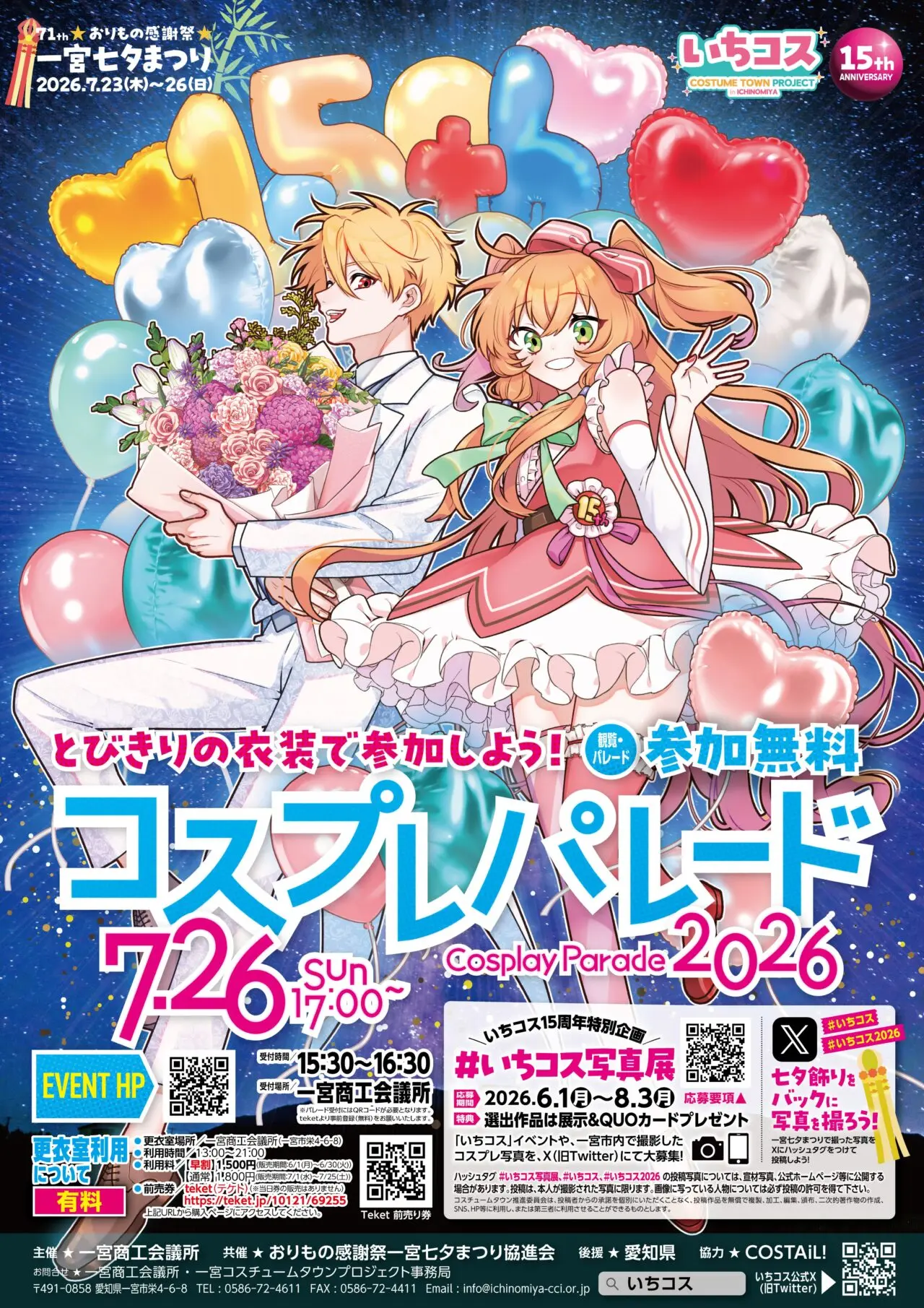
In an age where digital escapism meets vibrant self-expression, the world of manga and anime transcends mere entertainment to become a global cultural force. From bustling convention halls to intricate fan creations, this dynamic subculture fosters community, creativity, and a unique blend of Japanese tradition with contemporary trends. We are happy to bring a sense of reflective anticipation for the next months ahead, Oye! Oye! Oye! Magazine explores the multifaceted allure of anime and manga culture today.
The Art of Cosplay and Fan Creativity
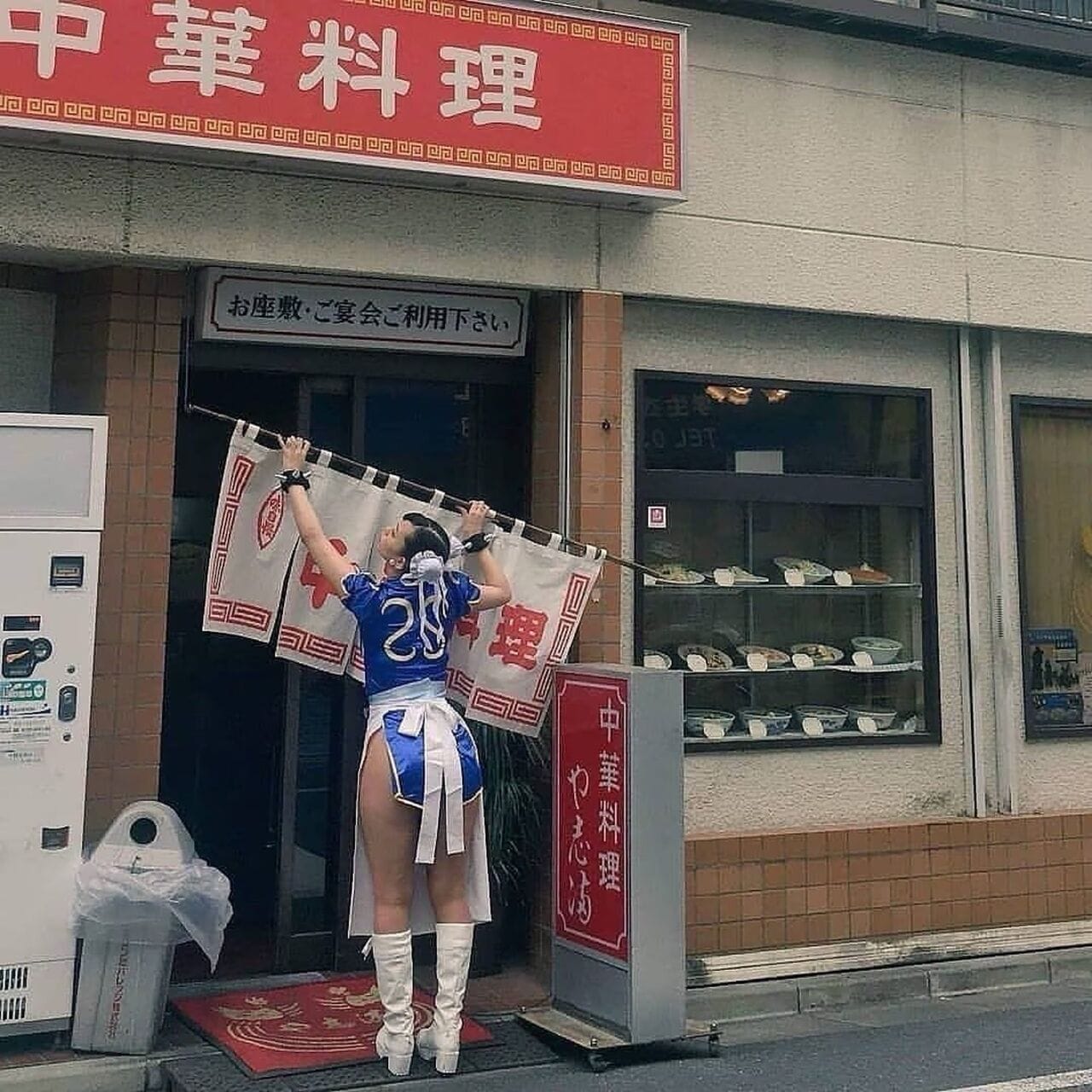
Cosplay stands as one of the most visible and beloved expressions of devotion within the anime and manga community. Enthusiasts invest countless hours crafting elaborate costumes that transform them into their favourite characters, from the intricate armour of mecha pilots to the delicate kimonos of historical heroines. This practice goes beyond imitation; it embodies performance art, storytelling, and personal identity exploration. Social media platforms amplify this creativity, with Instagram and TikTok overflowing with stunning fan art, custom props, and detailed tutorials that democratise the craft.
The economic significance is substantial. The global anime cosplay costume and prop market was valued at approximately $6.8 billion in 2025 and is projected to reach $14.2 billion by 2034, growing at a CAGR of 8.5%. Key players include CosplaySky, EZCosplay, RoleCosplay, Xcoser, Miccostumes, and established names like Rubie’s Costume Company and Yaya Han. These companies, alongside independent creators, drive revenue through e-commerce, convention sales, and licensed products. The influencer cosplay economy alone contributed an estimated $1.1 billion in direct merchandise sales in 2025. Sustainability trends, such as upcycling and 3D printing, further enhance the sector’s appeal, solidifying cosplay’s role as both a cultural phenomenon and a thriving economic engine.
Anime Conventions: Hubs of Connection and Celebration
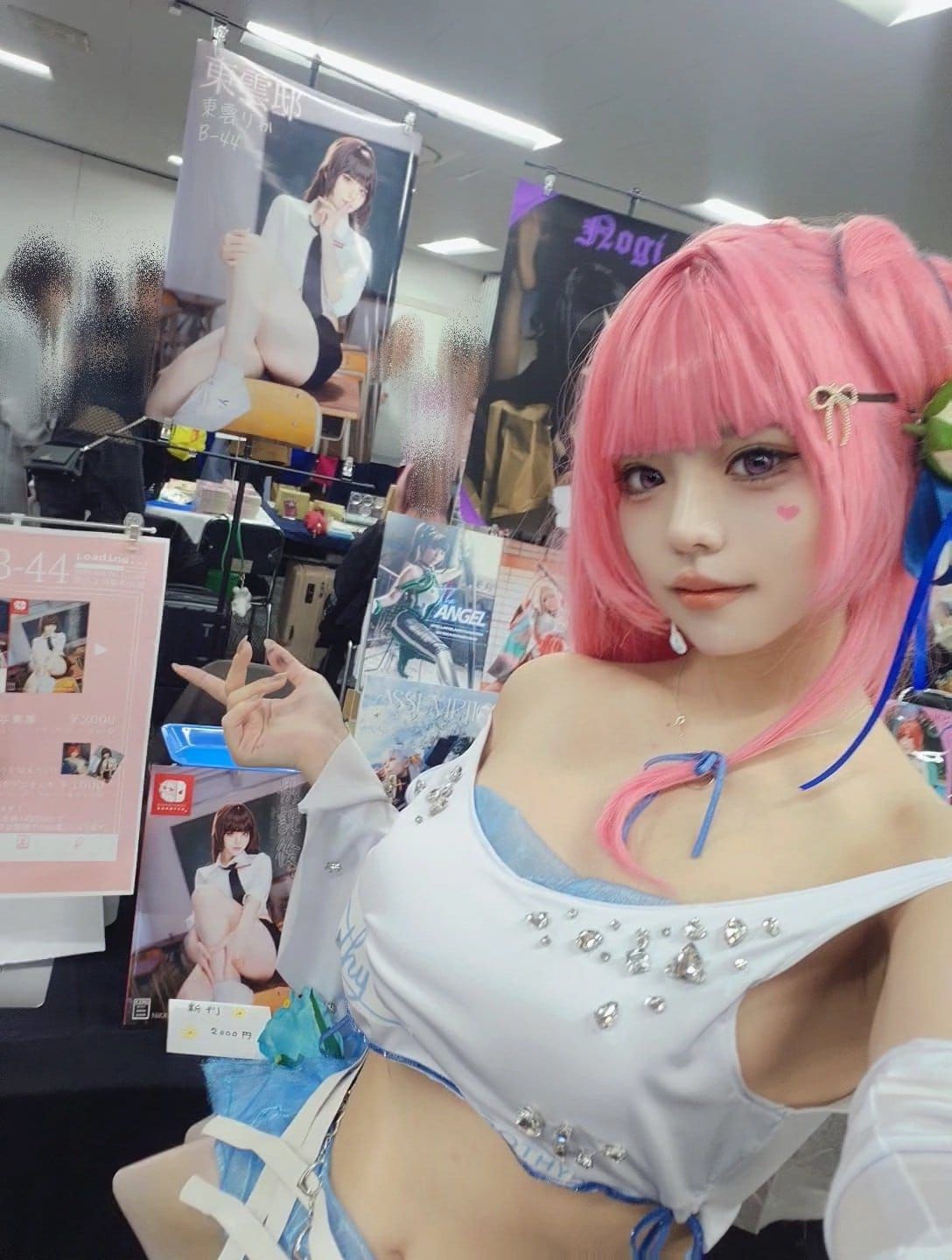
Anime conventions serve as pulsating epicentres where fans converge to immerse themselves in the culture. Events like London’s MCM Comic Con or Paris’s Japan Expo draw tens of thousands, offering panels with industry guests, screening rooms, and bustling dealer halls filled with exclusive merchandise. These gatherings foster genuine connections in an increasingly digital world, sparking friendships, collaborations, and even romantic encounters rooted in common interests.
Economically, conventions pack a powerful punch. The broader fan conventions market was valued at $14.8 billion in 2025, with anime-specific events holding a significant share. Anime Expo 2025 welcomed over 410,000 turnstile attendees and generated an estimated $110 million in economic impact for the local Los Angeles area. Major operators include the Society for the Promotion of Japanese Animation (SPJA) for Anime Expo, Reed Exhibitions for events like MCM Comic Con, and large-scale Asian gatherings such as Comiket in Japan, which attracts over 700,000 visitors per event. Revenue streams encompass ticket sales, exhibitor fees, sponsorships, and on-site merchandise, boosting local hospitality, tourism, and retail sectors while providing platforms for cultural exchange and industry networking.
Merchandise, Trends, and the Commercial Landscape
The merchandise ecosystem surrounding manga and anime represents a sophisticated industry blending nostalgia with innovation. From high-end figurines and art books to everyday items like clothing, stationery, and even homeware featuring beloved characters, the range caters to every budget and taste. Limited-edition collaborations with fashion brands and tech companies highlight anime’s mainstream penetration, while digital collectibles open new frontiers for fans.
Key economic indicators underscore its strength. The global anime merchandising market is projected to grow from around $10.7 billion in 2026 to $19.8 billion by 2033 at a CAGR of 9.3%, forming a major portion of the overall anime industry (valued between $30-90 billion depending on segmentation). Dominant actors include Bandai Namco, Good Smile Company (renowned for Nendoroid and Figma lines), Kotobukiya, Crunchyroll, and Studio Ghibli. These companies, alongside licensors and retailers like Amazon and specialised stores, capitalise on e-commerce and convention sales. Trends towards personalisation, sustainability, and cross-industry collaborations (e.g., with Uniqlo or Adidas) continue to drive growth, ensuring the commercial vitality of anime culture remains robust across generations.
In resume, manga and anime culture thrives as a testament to the power of shared imagination. Whether through the meticulous detail of a cosplay outfit, the communal joy of a convention, or the thrill of discovering new merchandise, it enriches lives and connects people worldwide. As this vibrant scene evolves, one thing remains certain: its capacity to inspire and unite shows no signs of fading.