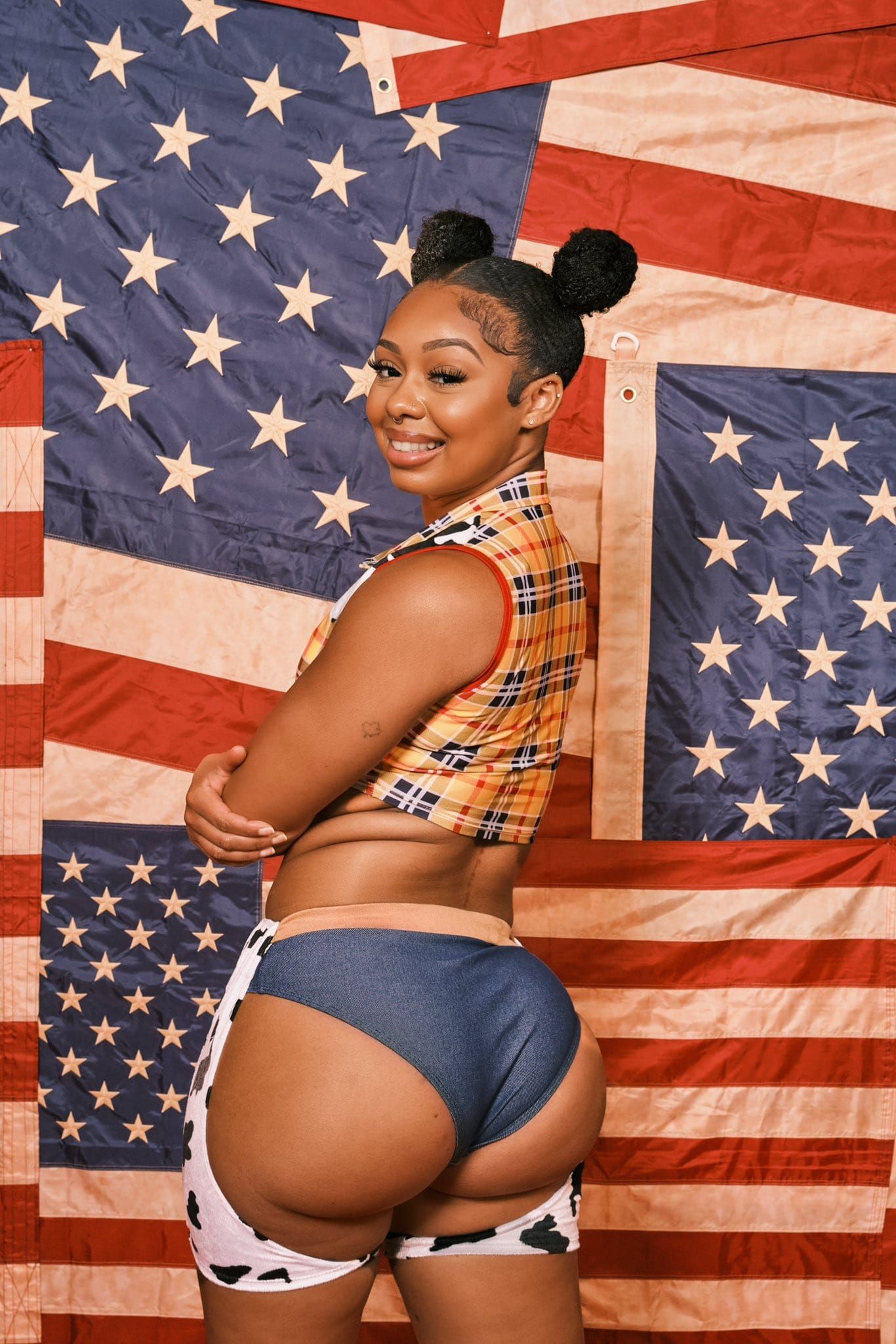
Everything is Not Fake
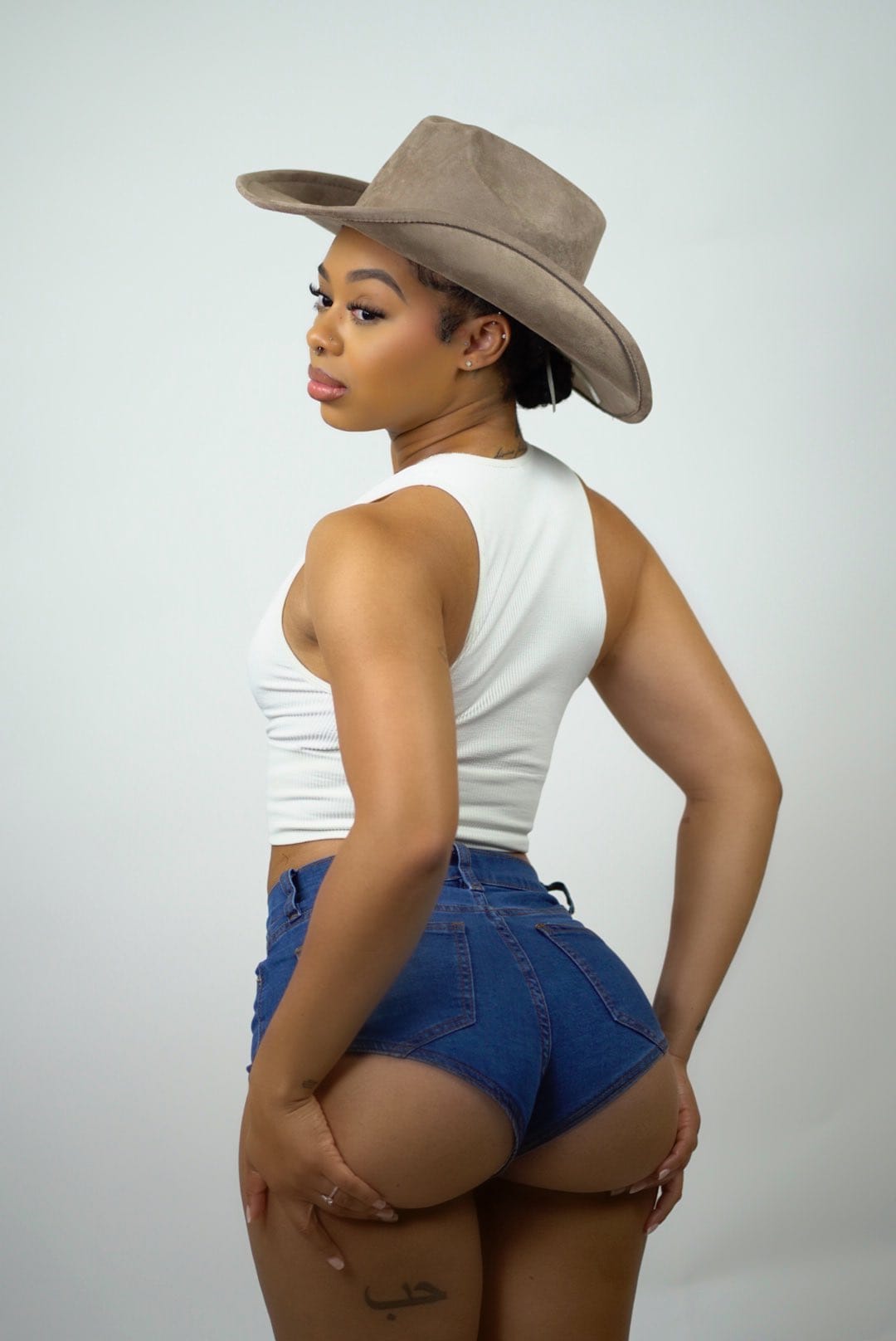 SheCanadian
In an increasingly roboticised world, in a world where artificial intelligence is pushing back the boundary between robot and human, there remains an organic reality populated by human creatures like SheCanadian.
However, this reality is suffering from a silent invasion in which robots are replacing sexy models, who find themselves being eroded by ever more bewildering generations of content. The images are more than realistic; the videos sometimes surpass the beauty of reality itself. Yet SheCanadian stands as a model of human resistance, an ambassador for a non-stereotyped reality in which every body cultivates its own uniqueness. Today, we invite you to witness this pivotal moment where reality fights against science fiction in a battle it is doomed to lose.
An analysis brought to you by Oye! Oye! Oye! Magazine, the only magazine offering you an alternative to the World Cup.

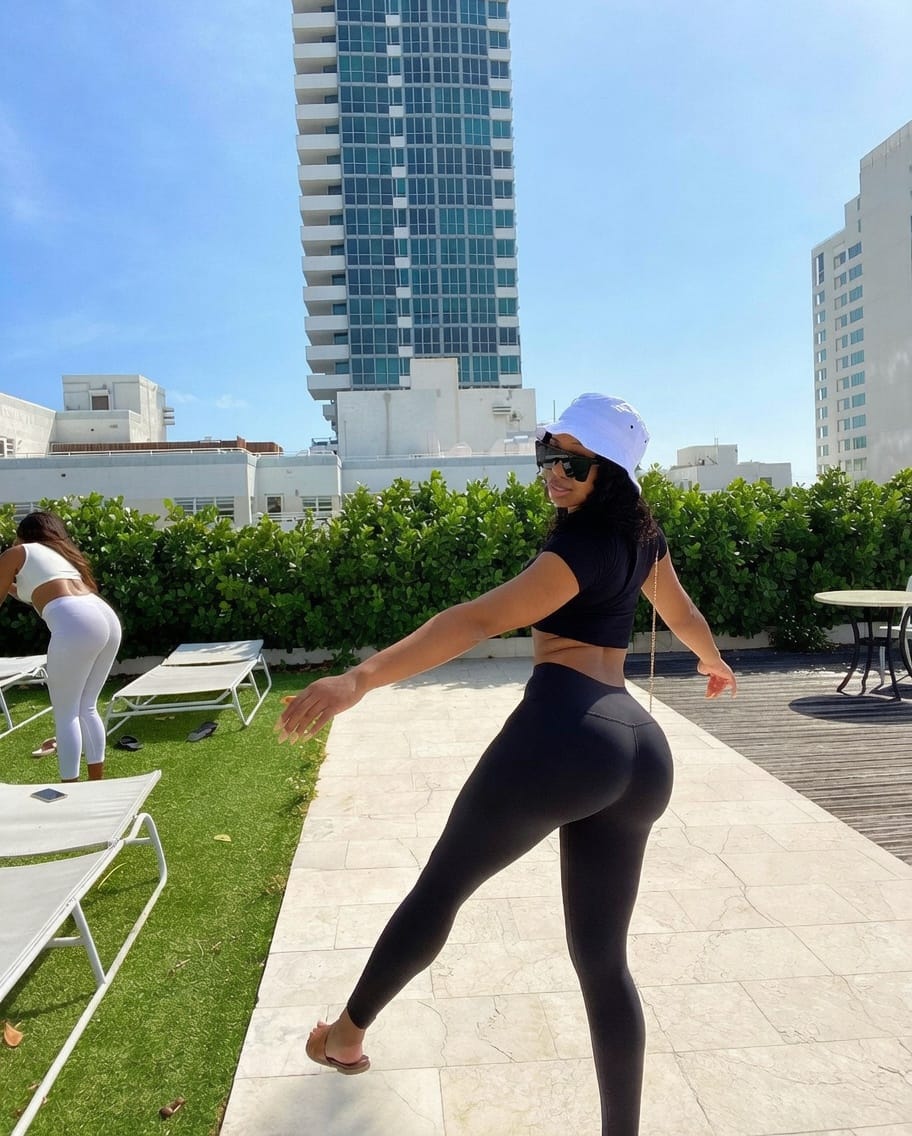
SheCanadian Sexy Ass Pictures
There is no single, comprehensive global statistic on the exact proportion of AI usage across all model-related publications (fashion, editorial, social media, sexy/adult content, etc.), as "total of every models publishings" spans fragmented industries without centralized tracking.
Data comes from market reports, surveys, platform analyses, and industry observations (as of 2025–mid-2026). AI adoption (generation, enhancement, or assistance) is rising fast but varies hugely by sector, with fully AI-generated content still a minority overall—though dominant in niches like e-commerce catalogs and low-to-mid-tier adult/social content. Here's a breakdown based on the best available sources:
Fashion & Modeling Industry (Editorial, Campaigns, E-commerce)
- AI-generated fashion photography market: Valued at ~$1.5–1.8 billion in 2024/2025, projected to grow rapidly (e.g., to $2+ billion in 2025 and much higher later, with CAGRs of 20–32%). E-commerce leads (~35% share), followed by advertising and social media.
- Brands and retailers (e.g., H&M, Zalando, ASOS) increasingly use AI for on-model imagery, virtual models, and catalogs due to 65–90% cost/time savings. Some reports suggest AI accounts for a "large share" of campaign/e-commerce images for bigger players, but hybrid approaches (AI for volume + human for hero/editorial content) are common.
- Broader adoption: **62% of fashion leaders use generative AI in some capacity (McKinsey-related data). Projections like ~30% of fashion marketing content being AI-generated by 2026 appear in some analyses.
- Consumer side: Many shoppers (60–71%) can't easily distinguish AI from real images and react neutrally/positively if disclosed, but authenticity matters for premium/editorial work.
Rough estimate for fashion/model publications: AI involvement (full or partial) is likely 10–40%+ depending on the category (higher in e-commerce/social, lower in high-end Vogue-style editorials). It's growing quickly but hasn't overtaken traditional photography industry-wide.
Sexy/Adult Content & Influencers (OnlyFans, Instagram, Fanvue, etc.)
This sector embraces AI faster due to low barriers and high monetization potential.
- Creator usage: Surveys show ~62% of adult content creators use AI tools (for inspiration, generation, chatbots, etc.). ~28% use it for direct content generation.
- Fully AI-generated models/influencers: Prominent on Instagram (hundreds of accounts, some using deepfakes/face-swaps from real performers) and platforms like Fanvue (AI creators reportedly ~15%+ of revenue in earlier data; top earners exist). Projections and anecdotes suggest AI models could scale massively (e.g., outnumbering/out-earning humans in volume by large ratios in some niches), but OnlyFans has restrictions (requires verification and disclosure in some cases).
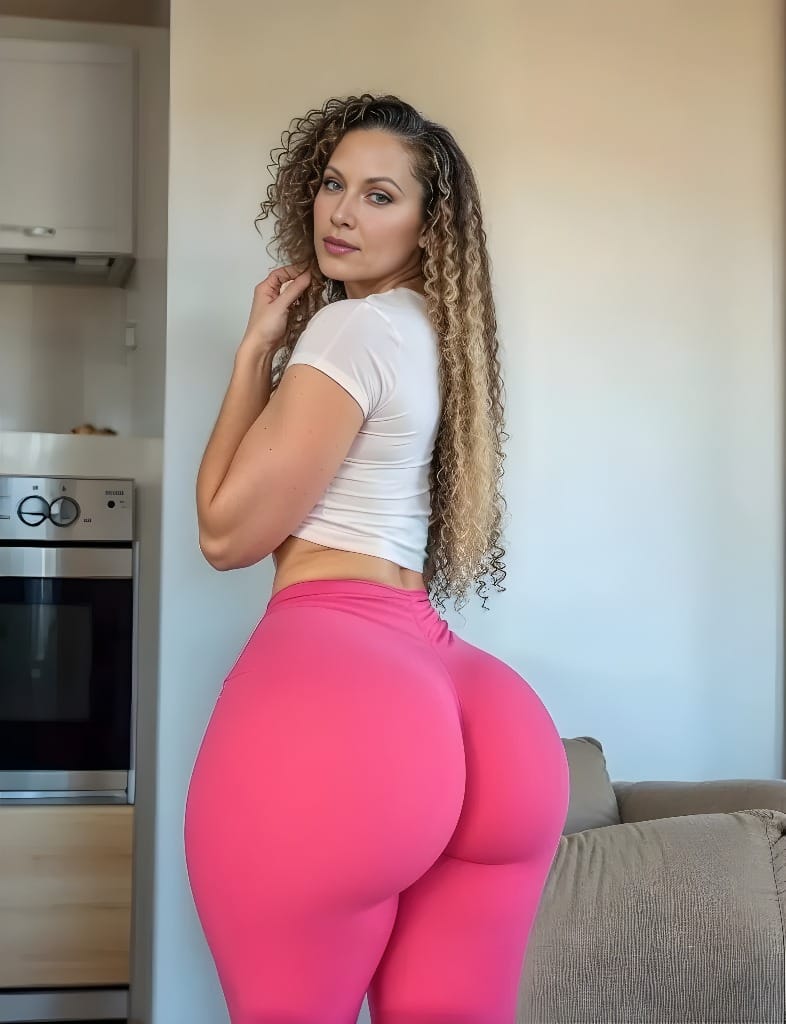
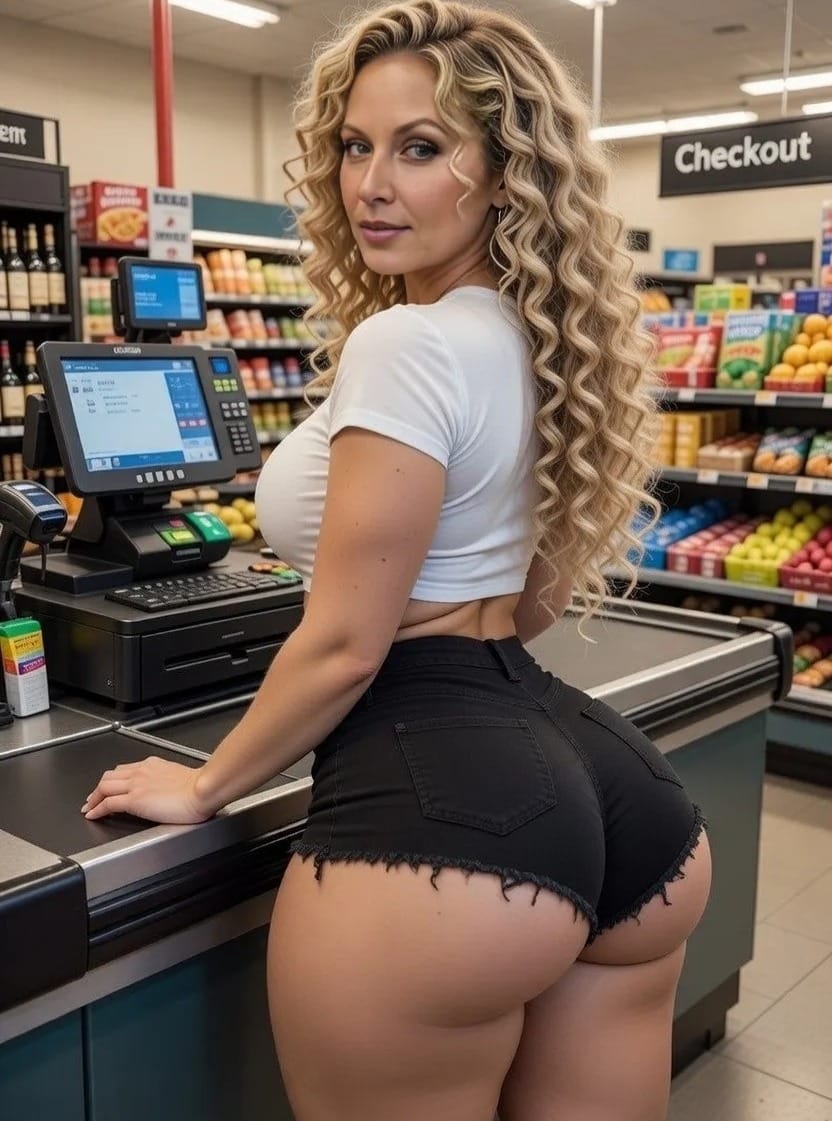
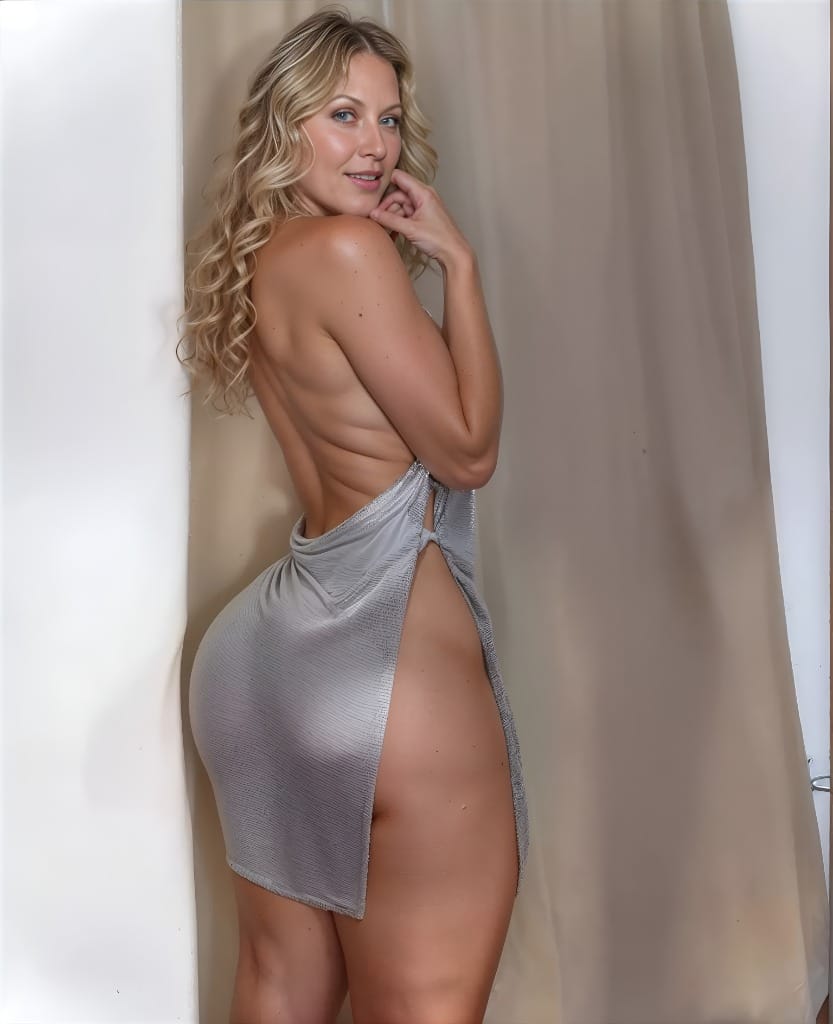
Instagram Fake Model Example, Dee.Delaney:
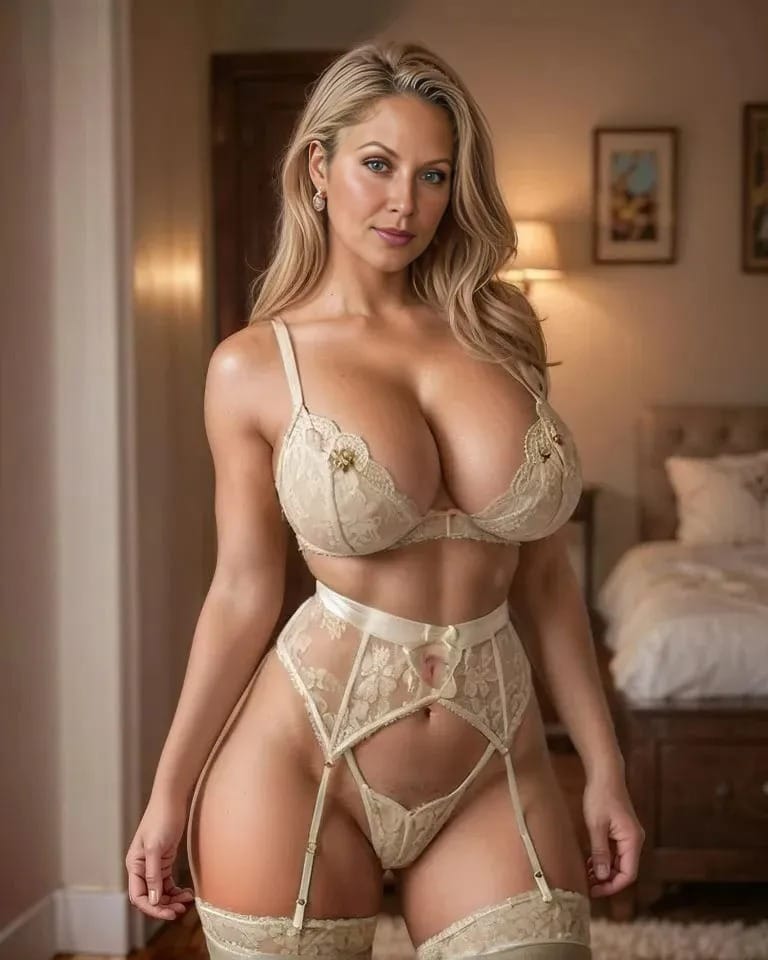
- Deepfakes/non-consensual AI: Overwhelmingly targets women (99%+ in some studies), but that's a separate ethical issue from consensual/declared AI content.
Rough estimate for sexy/adult publications: AI tools are used in a majority of workflows (50–80%+ for assistance), with fully synthetic models making up a significant and growing share (10–30%+ on certain platforms/social feeds, higher in volume/low-effort content). Real human creators still dominate premium/engaged audiences.
Overall Challenges & Caveats for Precision
- No unified metric: "AI used" can mean full generation, editing, inspiration, or chatbots. Fully synthetic vs. enhanced real photos blurs lines. Platforms don't publish exact breakdowns.
- Growth is explosive (AI platforms exploding in usage), driven by cost (95%+ reductions in some cases) and scale.
- Detection is hard (71% of shoppers can't tell), and disclosure varies.
- Impacts: Job concerns for models/photographers are real; ethical issues (non-consensual deepfakes, beauty standards) are widely discussed.
In summary, AI is transforming the space but isn't the majority yet across all model publications—think low double-digits to ~30–50% involvement in many high-volume areas (e-commerce, social, adult), with rapid growth toward higher shares by late 2020s. For the most precise view in a specific sub-area (e.g., a brand or platform), more targeted data would help. Trends point to continued expansion as tools improve.
Click to Subscribe :