It is a common misconception that cult victims are predominantly uneducated or socially marginalised. On the contrary, data from organisations like the International Cultic Studies Association (ICSA) and experts such as Steven Hassan (author of Combating Cult Mind Control) consistently show that cults actively recruit "high-functioning" individuals: university graduates, professionals, and creatives.
This phenomenon is particularly visible in Japan—the home of manga—but its mechanics are universal, rooted in psychological vulnerabilities that no degree can fully shield.
Why "Smart" People and Creative Industries Fall for Cults ?
1. The "Intelligence Trap": Why Degrees Aren't Armour
In the UK and US, researchers often point to "cognitive dissonance" and "intellectual pride" as primary entry points for cultic influence.
- Over-confidence in Logic: Highly educated people often believe they are "too smart to be brainwashed." This creates a defensive gap. When a group presents a complex, pseudo-scientific, or "exclusive" philosophy, the intellectual uses their brainpower to rationalise the group’s inconsistencies rather than question them.
- The Search for Universal Systems: Those with a background in academia are often drawn to "grand theories of everything." Groups like Happy Science or the Soka Gakkai offer structured, comprehensive worldviews that appeal to the analytical mind seeking a purpose beyond material success.
- Professional Utility: Cults are, at their core, predatory corporations. They target doctors, lawyers, and engineers not just for their money, but for the legitimacy and skills they bring to the organisation.
2. Manga as a Battleground: Recruitment and Propaganda
The manga and anime industry provides a unique case study in how "soft power" is weaponised by cults. In Japan, this is often discussed through the lens of Aum Shinrikyo—the cult responsible for the 1995 Sarin gas attack in London-style subway tunnels.
- Recruitment through Narrative: Aum produced high-quality anime to attract "Otaku" (fans) and elite students, framing their leader as a superhero with psionic powers. They tapped into the "Hero’s Journey"—a trope familiar to any fan of Star Wars or The Lord of the Rings—to convince recruits they were part of a cosmic battle.
- The Soka Gakkai Influence: Often compared to groups like Scientology in the West due to its celebrity ties and political power, the Soka Gakkai has deep roots in the manga industry. While many creators remain "closeted" about their faith, the themes of "unstoppable human will" and "world peace through a single leader" in classics like Masami Kurumada’s Saint Seiya are often cited by critics as reflecting the group’s "Human Revolution" doctrine.
3. The Artist’s Vulnerability: Isolation and Burnout
The UK’s creative industries often highlight the link between precarious work and cultic vulnerability. The life of a mangaka—marked by extreme isolation, 100-hour work weeks, and immense pressure—mirrors the "sleep deprivation" and "social isolation" techniques used in cultic grooming. When an artist is at their breaking point, a group offering a "community" or a "spiritual method for productivity" can seem like a lifeline.
4. Cultural Pushback: Manga as a Tool for De-programming
Just as Western literature used novels like Orwell’s 1984 to warn against totalitarianism, manga has produced powerful critiques of cultic mind control:
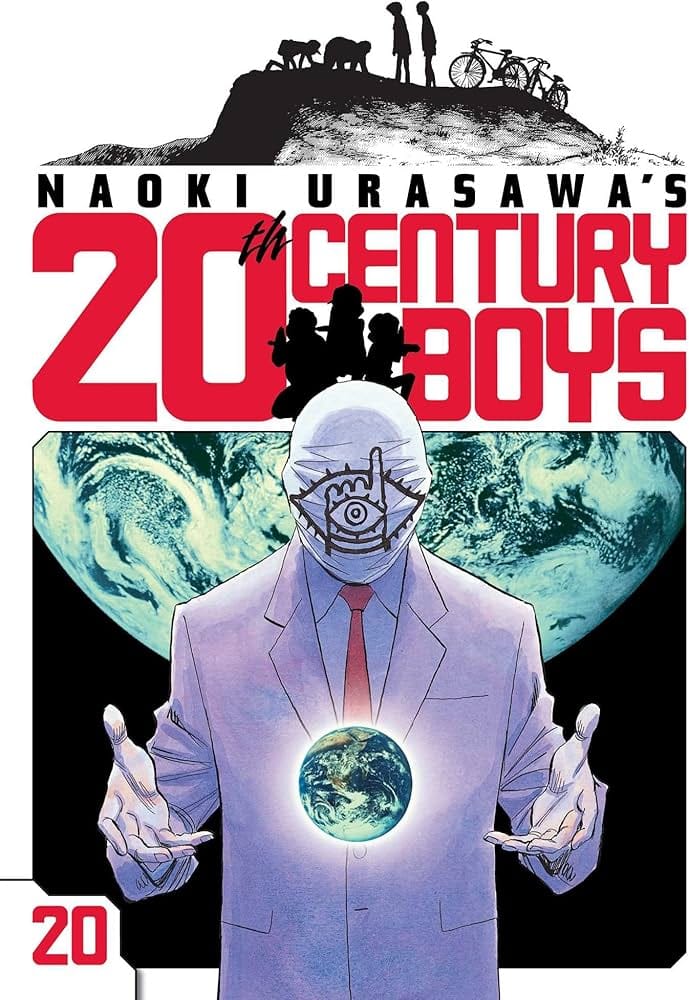
- Naoki Urasawa’s 20th Century Boys: Perhaps the most significant work on this subject, it mirrors the rise of a cult leader ("Friend") who uses childhood nostalgia and symbols to dismantle democracy.
- Future Diary (Mirai Nikki): A deadly game orchestrated through a cult-like structure with a leader who manipulates followers using supernatural “diaries.” It highlights how intelligent or isolated individuals get drawn into extreme loyalty.
- Death Note: While not a traditional cult, Light Yagami builds a devoted following as “Kira.” Supporters treat him like a god, showing how charisma and a compelling mission can turn intelligent people into fanatics.
- The "Cult Survivor" Genre: A rising trend in Japan involves autobiographical mangas by former members (often second-generation survivors), providing a visual "exit manual" for those trapped in similar groups.
Cults: The Universal Vulnerability
Whether in the tech hubs of London or the manga studios of Tokyo, the takeaway is the same: Empathy, not intellect, is the target. Cults do not recruit through the brain; they recruit through the heart during moments of transition (grief, career burnout, or loneliness).
As Steven Hassan famously noted, no one joins a cult; they are recruited into a "good thing" that turns out to be a cage. Intelligence simply provides the bars for that cage if one isn't careful.