In Japan, child pornography laws (Child Pornography Prohibition Act, amended in 2014) distinguish between the possession and distribution of real materials and fictional representations such as those found in manga or hentai.
Convictions for purely fictional works are rare and contested, as the Japanese Supreme Court invalidated certain prohibitions in 2016. However, high-profile cases generally involve real materials, images or videos of children, sometimes combined with fictional works. These cases are sensitive and based on public reports and reliable sources such as press articles (BBC, The Guardian, Asahi Shimbun) and Japanese judicial databases.
List of the most notable and high-profile cases involving convicted mangaka or hardcore manga fans (Otaku):
Prioritising those that have had a significant impact on the manga industry or Japanese society, limiting ourselves to those confirmed by court rulings. The dates correspond to the year of conviction or main revelation. Sentences vary, often fines or suspended sentences for possession.

Cases List/
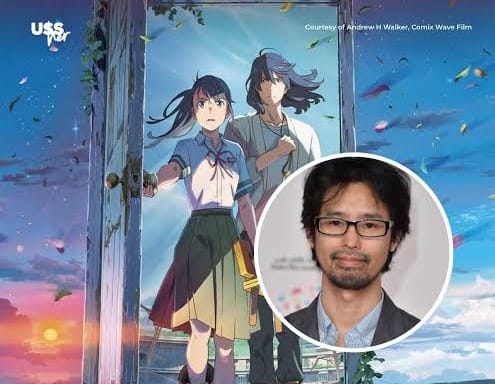
6. Koichiro Ito, a 52-year-old Japanese producer known for collaborating with director Makoto Shinkai on several anime blockbusters, was arrested on Wednesday, 21 February 2024, in Tokyo by the Wakayama Prefectural Police. He is accused of violating Japan's Child Prostitution and Child Pornography Prohibition Act (Child Prostitution and Pornography Prohibition Act).
According to reports, Ito met a 15-year-old high school student via social media in September 2021. Aware that she was a minor, he allegedly coerced her into sending him nude selfies in exchange for a money transfer of 12,500 yen (approximately $80/£70 at the time). During his interrogation, Ito confessed to the charges and admitted to having had similar interactions with other minors on several occasions. The police are continuing their investigation to identify any other possible victims. The case was uncovered as part of a separate investigation into child prostitution.
Koichiro Ito has had a career spanning more than 20 years in the Japanese animation industry. He has been a producer on acclaimed films by Makoto Shinkai, including: - "Your Name" (Kimi no Na wa., 2016)

A huge global success that popularised anime beyond its usual audience. - "Weathering With You" (Tenki no Ko, 2019). - "Suzume" (Suzume no Tojimari, 2022). These works have enjoyed international critical and commercial success, contributing to the positive image of Japanese animation. The arrest has caused a significant shockwave in the anime community. Many fans expressed their disappointment and sadness online, highlighting the contrast between the positive and romantic themes of the films (often centred on love, youth and innocence) and these serious allegations. Makoto Shinkai himself reacted publicly on X (formerly Twitter), expressing his frustration and sadness at the situation.
5. The Kato case (1990s-2010s) A convicted paedophile named Takashi Kato sexually abused at least 11 children over a period of 24 years. He regularly consumed lolicon manga in adult bookshops, which he used as ‘stimulation’ for his acts. Arrested and convicted, he now campaigns for a ban on this type of content, arguing that it normalises paedophilia. Although he is not a creator in the industry, his case is linked to the world of manga as an influential consumer, and he has been highlighted in investigations into how lolicon can be used as a grooming tool.
4. Tatsuya Matsuki (2020) Tatsuya Matsuki, writer of the manga Act-Age (published in Weekly Shōnen Jump), was arrested in August 2020 for indecent acts against minors. He sexually assaulted two middle school girls (aged 13–14) by approaching them on his bicycle and touching them without their consent. Sentenced to an 18-month suspended prison term in 2021, his manga was cancelled by publisher Shueisha, and all publications were withdrawn. Unlike other cases, this case led to the immediate cancellation of the work, reflecting changing standards in the industry in response to paedophile scandals.
3. Mitsutoshi Shimabukuro (2002) Mitsutoshi Shimabukuro, author of the manga Toriko (adapted into an anime and video games), was arrested in 2002 for child prostitution. He paid a 16-year-old high school girl for sex, violating Japanese laws on the protection of minors. Sentenced to two years' suspended imprisonment, he was able to continue his career: Toriko became a hit, selling over 25 million copies. This scandal highlights recurring problems in the manga industry, where creators involved in the exploitation of real children are not systematically ostracised.
- Nobuhiro Watsuki (2017) Nobuhiro Watsuki, a manga artist famous for the Rurouni Kenshin series (a global success adapted into anime and video games), was arrested in November 2017 for possession of child pornography. The police found hundreds of DVDs containing images of naked children, mainly girls around 10 years old, at his home. He admitted to collecting this material since 2015 and was fined 200,000 yen (approximately £1,500) in February 2018, without a prison sentence. Despite this, the industry continued to promote his work: a new anime adaptation was announced in 2023, sparking controversy over the separation between the artist and the art. This case illustrates how figures in the manga/anime industry can be involved in real crimes without major consequences for their careers.
1. The Tsutomu Miyazaki case (1988–1989) Tsutomu Miyazaki, nicknamed the ‘Otaku Killer’, was an obsessive collector of anime, manga and erotic videos, including lolicon content (sexual depictions of young girls). Between 1988 and 1989, he kidnapped, raped and murdered four girls aged between 4 and 7, before mutilating and desecrating their bodies. When he was arrested, the police discovered more than 5,700 videos in his home, many of which contained animated and real paedophile content. This case tarnished the image of otaku culture in Japan, linking manga and anime to paedophilia in the public eye. Miyazaki was executed in 2008. This case has been cited as an example of how fictional content can influence real-life actions, although debate continues about this link.
Kamesenin humor used to normalize pedocriminality