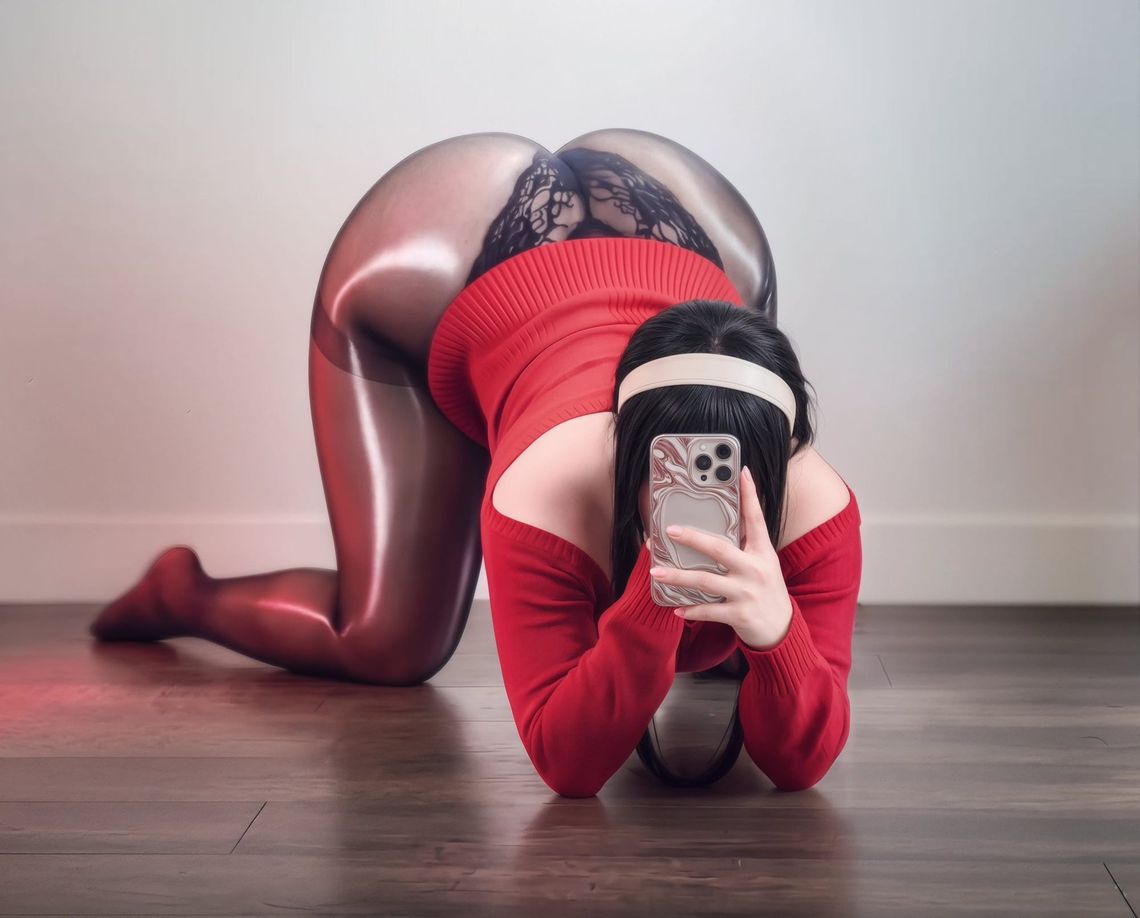
Corporal punishment culture in many Muslim societies has contributed to expressions of rejection and power-reversal fantasies among some Muslim women, often manifesting as taboo kink content like Hijab femdom on social media — but this is more a symptom of backlash against systemic control than a direct, widespread cultural export.
Corporal Punishment Realities and Impact on Women
In places enforcing strict Sharia interpretations (e.g., parts of Malaysia, Iran, Sudan, Afghanistan under Taliban, historical Saudi practices), hudud and moral policing include public flogging for "zina" (unlawful sex), improper dress, or khalwat (close proximity between unmarried opposite sexes). Women are disproportionately targeted or affected:
- Public canings of women for same-sex relations or moral offenses (e.g., Malaysia 2018 cases).
- Flogging for dress code violations, adultery accusations, or failing evidentiary standards in rape cases (which can backfire into charges against victims).
- Broader domestic and societal acceptance of "light beating" for "disobedience" (rooted in interpretations of Quran 4:34), alongside school/family corporal punishment that normalizes physical discipline.
This creates a lived environment where women's bodies and behavior are subject to male/family/state authority through physical correction. Psychological research on corporal punishment (cross-cultural, including Muslim contexts) links it to trauma, shame, anxiety, aggression, low self-esteem, and intergenerational cycles of violence. For women and girls, it often intersects with patriarchal control, honor culture, and restricted autonomy, fostering resentment or internalized oppression.
How This Fuels Rejection Expressed by Some Muslim Women
Some Muslim women (especially in diaspora, online, or ex/less-strict communities) channel rejection through power reversal:
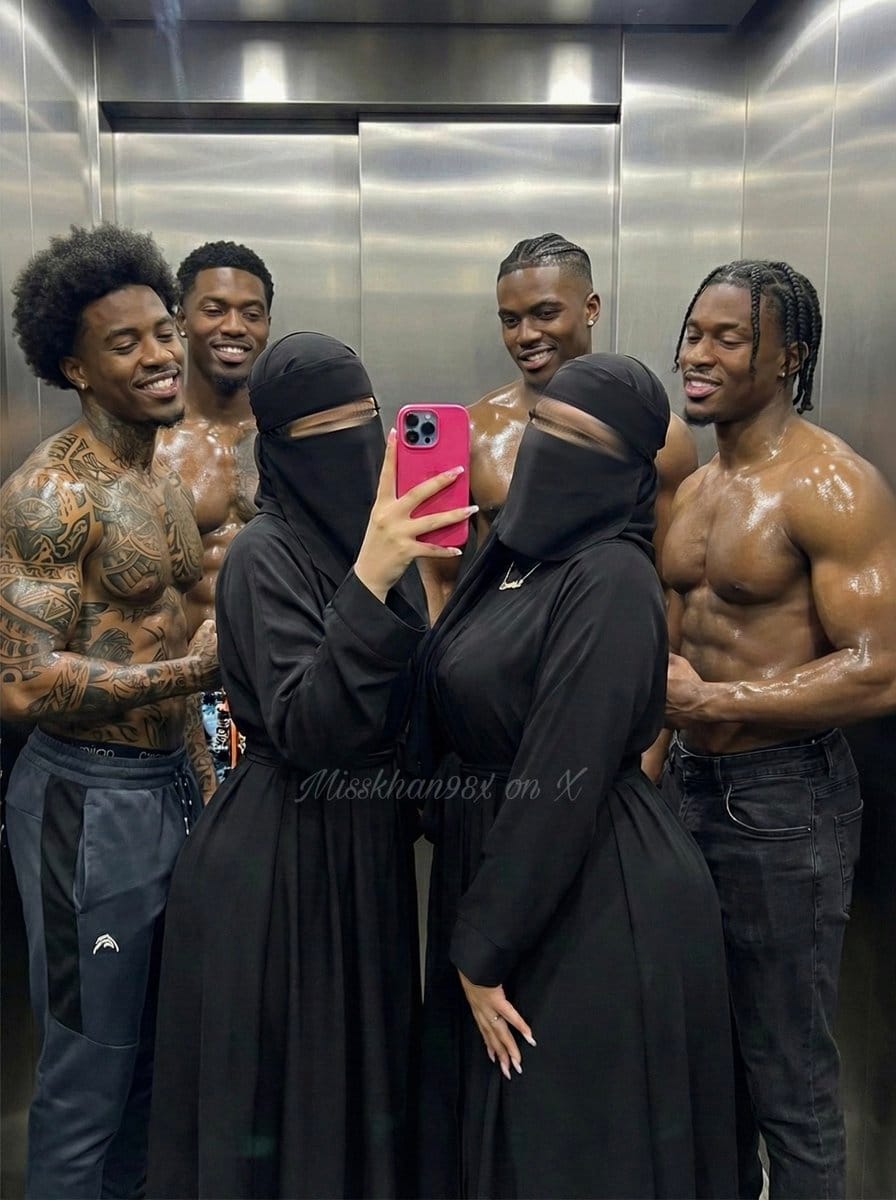
- Reclaiming agency via dominance: After experiencing or witnessing routine physical "correction," verbal humiliation, or control (hijab enforcement as modesty/purity under male gaze), certain women explore or perform femdom as catharsis. Hijab femdom content flips the script — the symbol of enforced submission (hijab) becomes a tool of female authority, humiliation of male subs, facesitting, verbal degradation, or corporal play directed at men. This is visible in niche porn, OnlyFans, TikTok trends ("hijabi domme"), and fetish communities.
 Muslim Mistress Khan in UK
-
Psychological backlash: Trauma from corporal/disciplinary culture can lead to masochistic submission kinks (internalized) or sadistic dominance as overcompensation/revenge fantasy. Online discussions in ex-Muslim or feminist spaces sometimes reference degradation kinks tied to religious upbringing, where women eroticize or reject the "obedient wife" role by dominating.
-
Social media amplification: Platforms make this visible. Hijabi performers (some claiming Muslim identity, others cosplay) produce content where the "pious covered woman" asserts total control, often with Arabic/Islamic-flavored commands. This appeals as taboo rebellion for creators and viewers. It is not mainstream Muslim women's expression but a visible minority outlet for those rejecting rigid gender hierarchies. Progressive or secular Muslim women may critique patriarchal punishment culture through activism, while others do so privately through kink.
This is not "fueled" in a positive traditional sense — orthodox views would condemn it as haram. It is a subversive response: years of enforced modesty, potential flogging for sexual autonomy, and domestic discipline create psychological pressure that leaks into fantasy as dominance. Similar patterns appear in other repressive contexts (e.g., Catholic schoolgirl fetishes from strict upbringing).
Caveats from Reality
- Not representative: Most affected Muslim women respond with silence, migration, reformist activism, or endurance rather than public femdom. Many face real DV/abuse linked to these norms.
- Porn vs. personal: Much Hijab femdom is commercial fetish content, often by non-practicing or Western performers exploiting the aesthetic. Genuine expressions from devout or culturally Muslim women are rarer and more anonymous due to stigma.
- Mixed outcomes: For some, it may be empowering reclamation; for others, it risks further identity conflict or reinforcing stereotypes.
Corporal punishment culture — by normalizing physical authority over women's bodies and choices — breeds resentment that some express as erotic rejection and role reversal online. It is a modern, niche phenomenon born from tension between control and desire for autonomy, not an intended feature of the culture. Individual experiences vary enormously by region, sect, and personal religiosity.
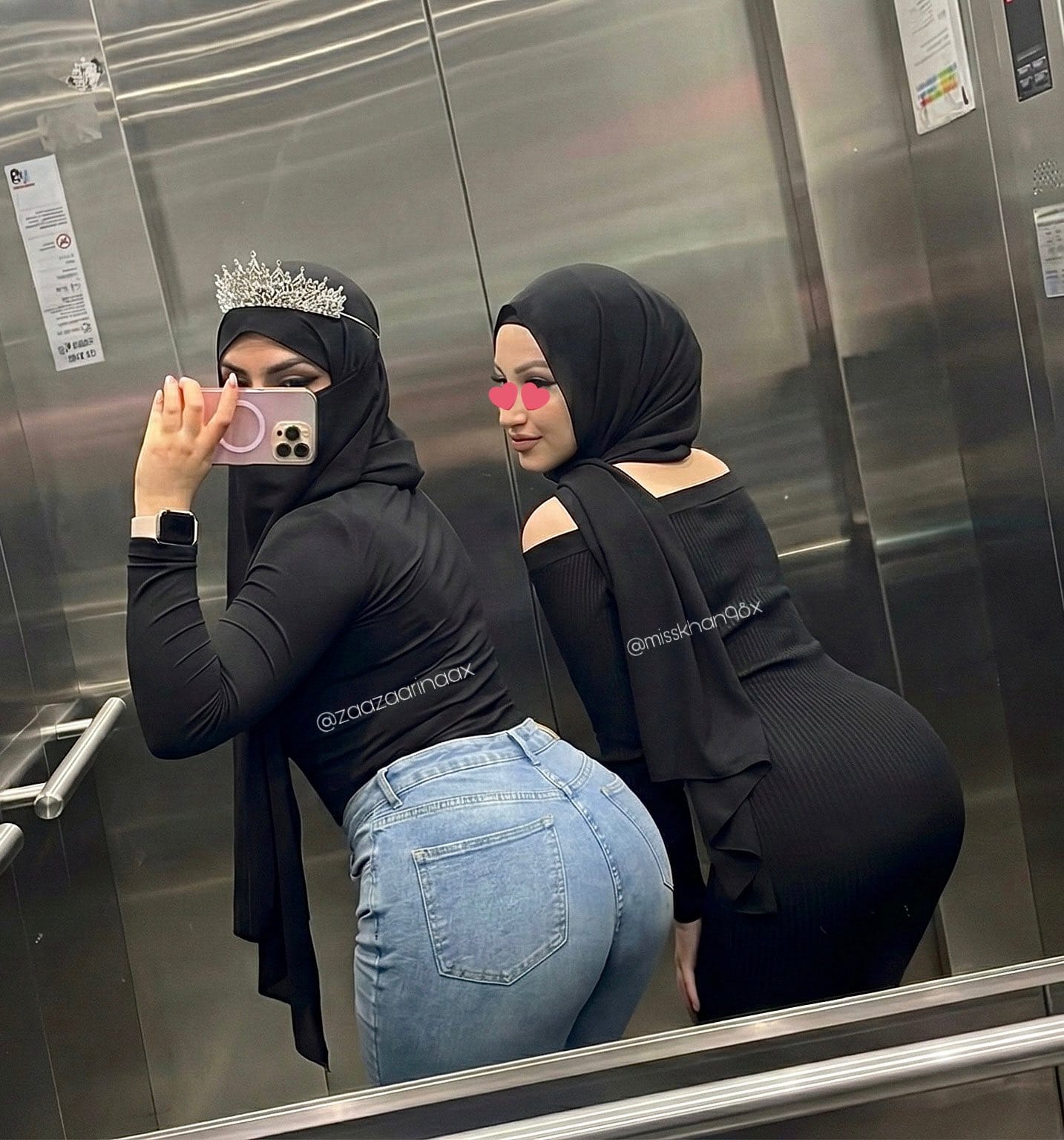
Like the Hijab femdom fetish, the sexualization of nuns is a longstanding Western cultural trope rooted in the tension between vowed celibacy, religious modesty, and forbidden desire, frequently intersecting with BDSM themes of power, discipline, punishment, submission, and role reversal.

Mirikashi Nun's cosplay
Historical and Cultural Origins
The "naughty nun" archetype dates back to the Middle Ages and early modern period. Convents were sometimes stereotyped as places of hidden vice, with literature and songs portraying them as "houses of vice" filled with frustrated women. Elizabethan English even used "nunnery" as slang for brothel.
- 17th–18th century erotica: Works like Venus in the Cloister (1683) depicted sexual intrigue among nuns. Protestant polemics amplified this to critique Catholic institutions.
- Real scandals: Historical cases of lesbian relationships, "demonic possession" outbreaks involving sexual hysteria in convents (1550–1790), and figures like Benedetta Carlini (17th-century Italian nun involved in a same-sex affair framed with mysticism) fed public fascination.
- Brides of Christ metaphor: Nuns as spiritual spouses of Jesus created intense, sometimes eroticized mystical language (ecstatic visions, piercing imagery), which blurred lines between spiritual and carnal for outsiders.
This taboo inversion—purity and renunciation turned into sexual fantasy—mirrors the Catholic schoolgirl fetish: what enforces modesty and restraint becomes hyper-eroticized.
Corporal Punishment, Discipline, and Repression Links
Catholic convents and schools historically emphasized strict corporal discipline, self-flagellation (the "discipline" as penance with whips or ropes symbolizing Christ's scourging), silence rules, and bodily mortification.
- Nuns administered (and sometimes received) physical punishments: rulers, caning, shaming in schools; internal convent practices of scheduled self-whipping.
- Broader sexual repression (celibacy vows, control of "particular friendships," bodily shame) created psychological tension. This backdrop of authority, guilt, pain-as-redemption, and hierarchical control directly fuels BDSM-adjacent fantasies: punishment as erotic discipline, submission to divine/human authority, and cathartic release from guilt.
Similar to how corporal punishment culture in some Muslim contexts feeds certain rejection fantasies, Catholic disciplinary traditions provide ready-made imagery for kink: confession, penance, mortification, and obedience.
Nuns in BDSM and Modern Fetish Culture
The nun habit itself is a potent fetish object—black/white veils, robes, crosses—symbolizing forbidden access and authority. Latex, sheer, or modified versions appear in commercial fetish wear.
- Roles in BDSM:
- Dominant nun: Sadistic abbess or strict sister wielding rulers, canes, verbal humiliation, or "penance" play. Common in femdom content (e.g., caning scenes, enforcement of rules).
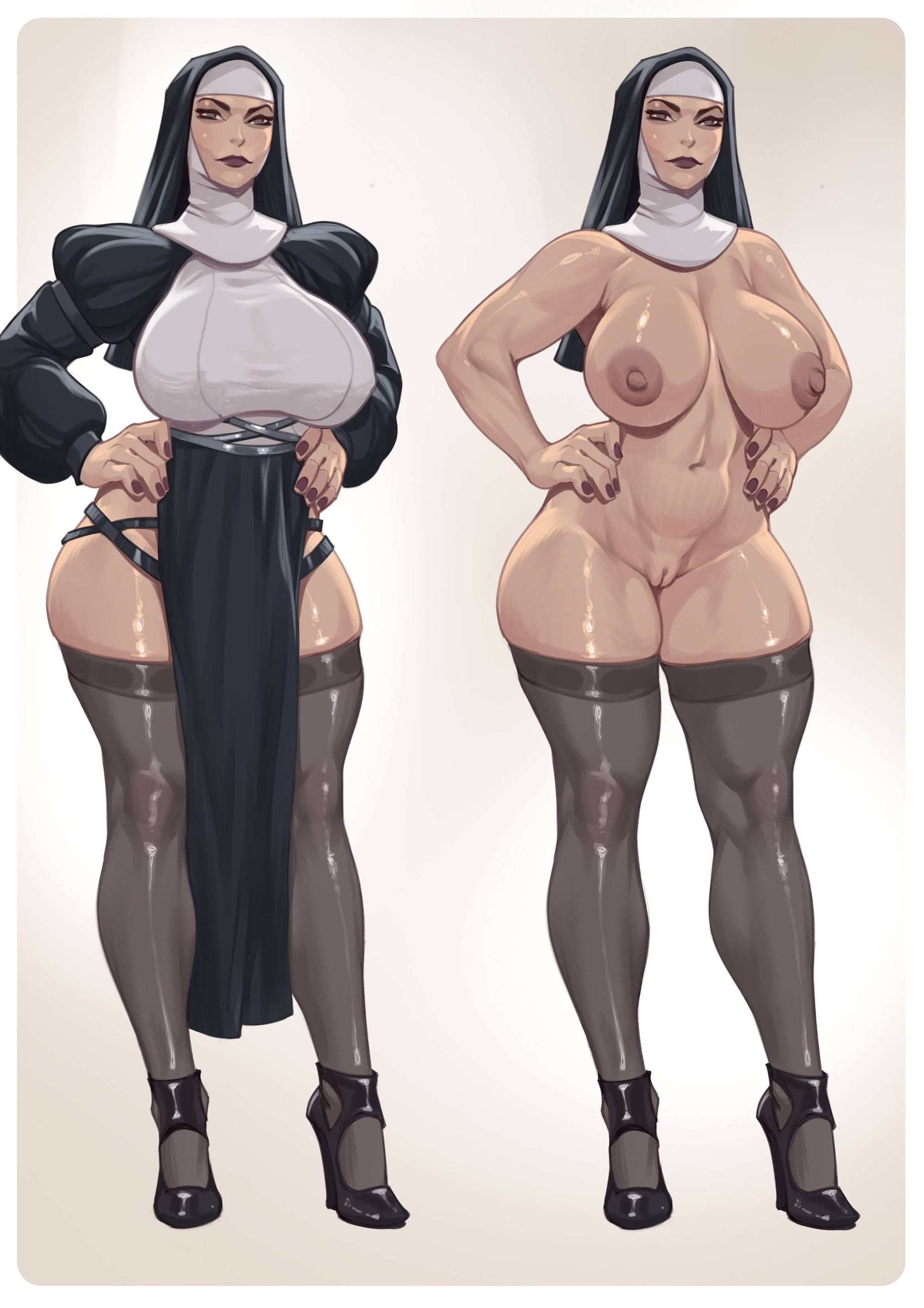
Dominant Nun
- Submissive nun: Innocent or fallen novice undergoing punishment, bondage, "exorcism," or corruption. Themes of breaking vows, guilt, and redemption through pain/pleasure.
- Overlaps with nunsploitation films (1970s Italian genre): possession, lesbianism, sadistic priests/nuns, violent punishment, and orgiastic release.
Porn categories like "nun BDSM," "sex and submission nun," and "nun mistress" are well-established, often blending religious iconography with impact play, roleplay, and power exchange.
Parallels and Psychology
Like Hijab femdom (modesty flipped into dominance) or the Catholic schoolgirl uniform, nun sexualization exploits symbolic contrast: the ultimate symbol of chastity, service, and self-denial becomes an object of lust, control, or rebellion.
- Repression theory: Strict upbringing or cultural exposure to Catholic discipline can eroticize the forbidden, producing guilt-infused kinks or reclamation through dominance/submission.
- Power dynamics: Convent hierarchy (Mother Superior authority) maps easily onto D/s relationships.
- Modern visibility: Costumes, OnlyFans roleplay, and media (films, music videos) keep it alive, though often criticized for objectification.
Caveats: This is almost entirely fantasy/roleplay in adult contexts. Actual nun experiences vary widely—many find fulfillment in celibacy, while historical repression led to real suffering. The fetish does not reflect mainstream Catholicism today, where habits are less common and corporal punishment is largely rejected.
In the broader thread: Religious structures emphasizing control, modesty, and physical discipline (Catholic or otherwise) recurrently generate these subversive erotic responses—taboo as fuel for desire and, for some, psychological processing of authority and repression.
Submissive Nun