The Shadow That Walks Among Us: Naoki Urasawa’s Monster
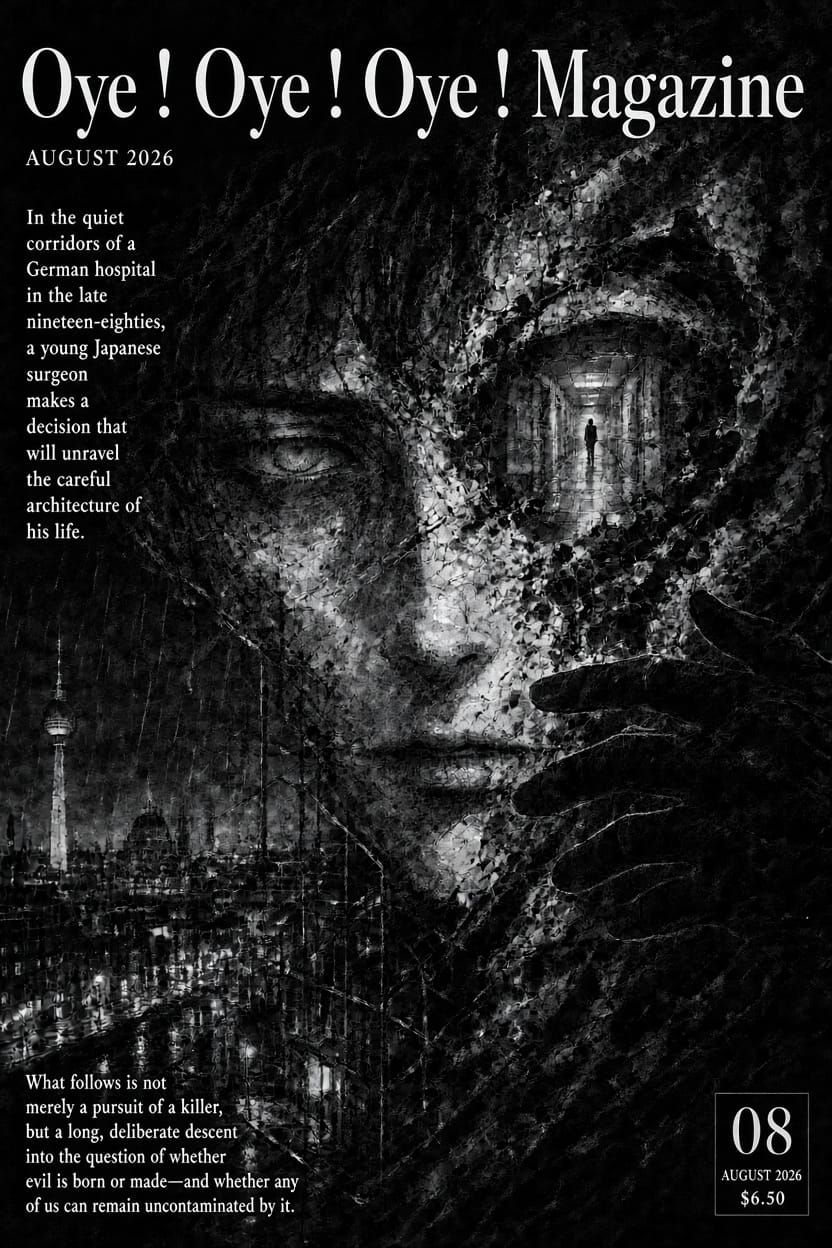
In the quiet corridors of a German hospital in the late nineteen-eighties, a young Japanese surgeon makes a decision that will unravel the careful architecture of his life. What follows is not merely a pursuit of a killer, but a long, deliberate descent into the question of whether evil is born or made—and whether any of us can remain uncontaminated by it.
A Surgeon’s Oath and the Birth of a Monster
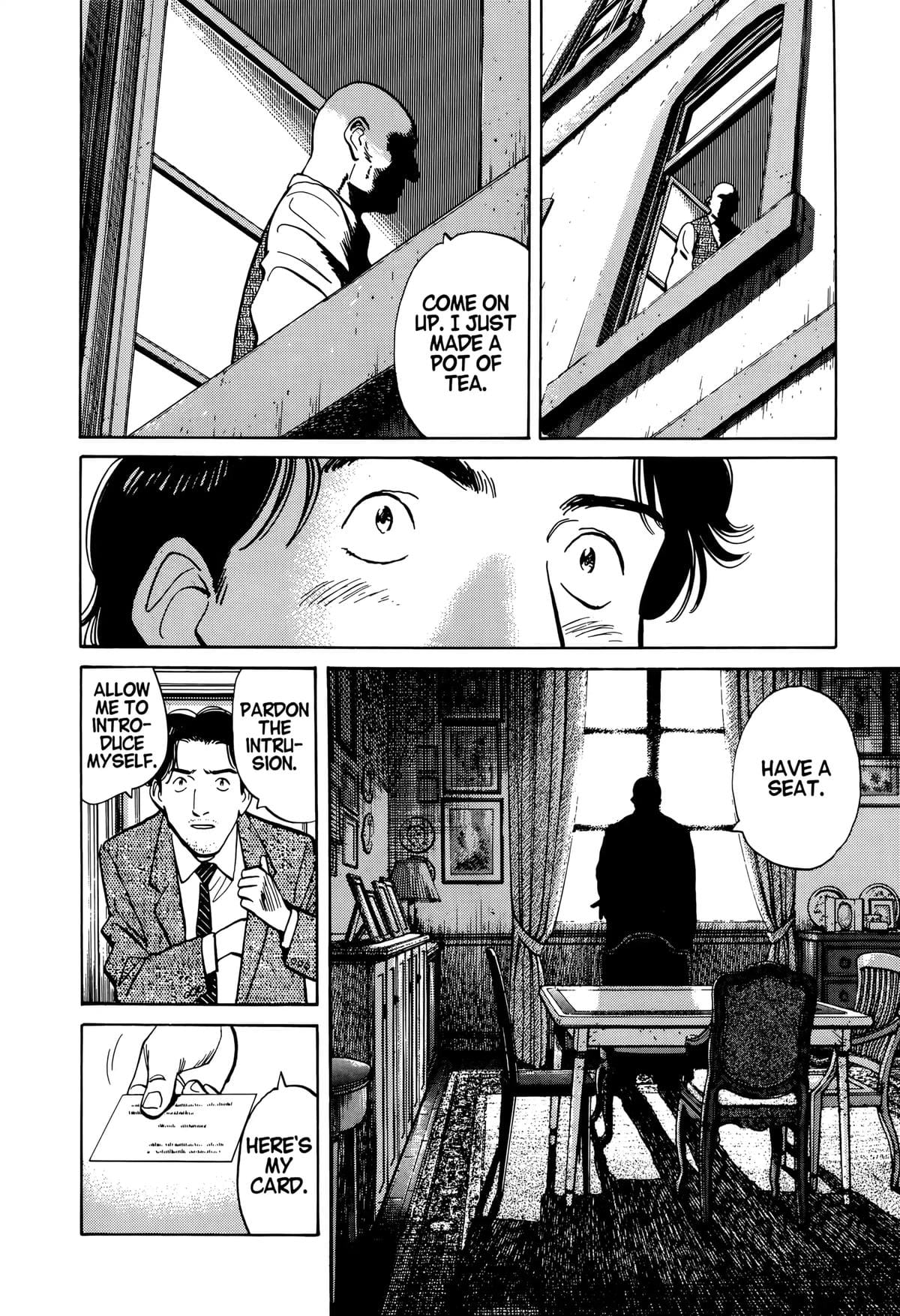
Dr Kenzo Tenma arrives in Düsseldorf with talent, ambition and an almost naïve belief that medicine is a pure vocation. When he chooses to operate on a critically wounded child rather than the city’s mayor, he believes he is simply honouring the Hippocratic principle that every life is equal. Years later that same child, Johan Liebert, reappears as a figure of exquisite and terrifying composure: a young man who can persuade others to end their own lives with nothing more than a soft voice and a carefully chosen story. Urasawa never allows the reader the comfort of a single origin for Johan’s emptiness. Fragments of East German experimentation, of childhood trauma and of pure, unmotivated will are offered and then withdrawn, leaving the reader to sit with the possibility that some voids cannot be filled by explanation. Tenma’s subsequent journey across a reunified Germany becomes less a detective story than a moral reckoning: having once saved a life, he must now decide whether that same life is still worth preserving.
The Architecture of Ambiguity
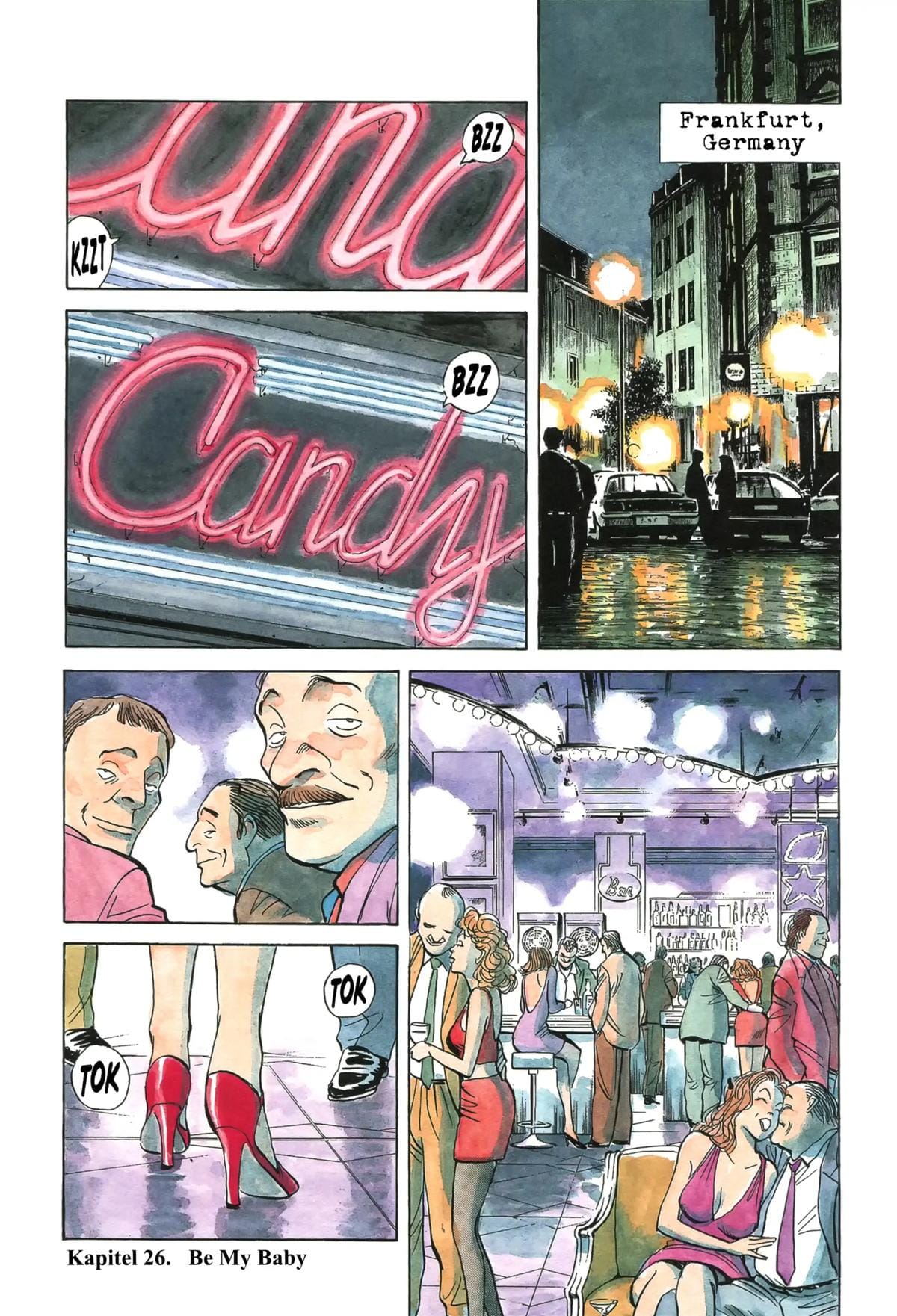

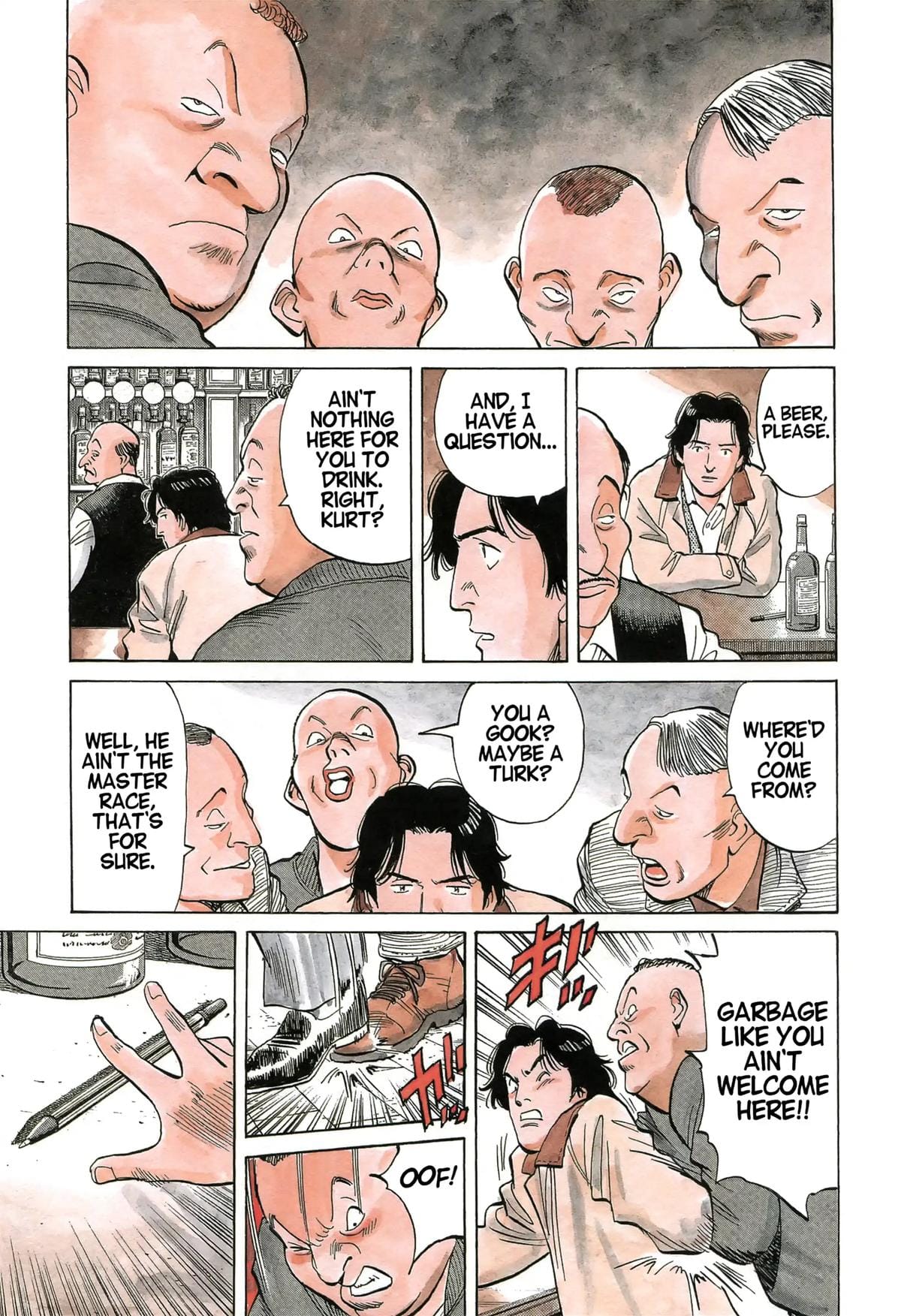
What distinguishes Monster from the more visceral strains of seinen is its refusal of spectacle. Violence occurs, but it is rarely shown in the moment of impact; instead we are left with its aftermath—empty rooms, interrupted meals, the quiet horror of ordinary people discovering they have been used as instruments. Urasawa’s panels are meticulous without being decorative: faces are rendered with the precision of a portraitist who has studied the exact point at which an expression begins to fracture. Supporting characters—Inspector Lunge with his obsessive note-taking, the enigmatic Nina, the various strangers who briefly orbit Johan—are never mere plot devices. Each carries a private history that brushes against the central mystery and then continues, altered or unbroken, into lives we will never fully know. The result is a narrative that feels less like a closed mystery and more like a map of human susceptibility: how easily conviction can become dogma, how loneliness can be weaponised, how the desire to be needed can open the door to catastrophe.
Echoes Across the Iron Curtain
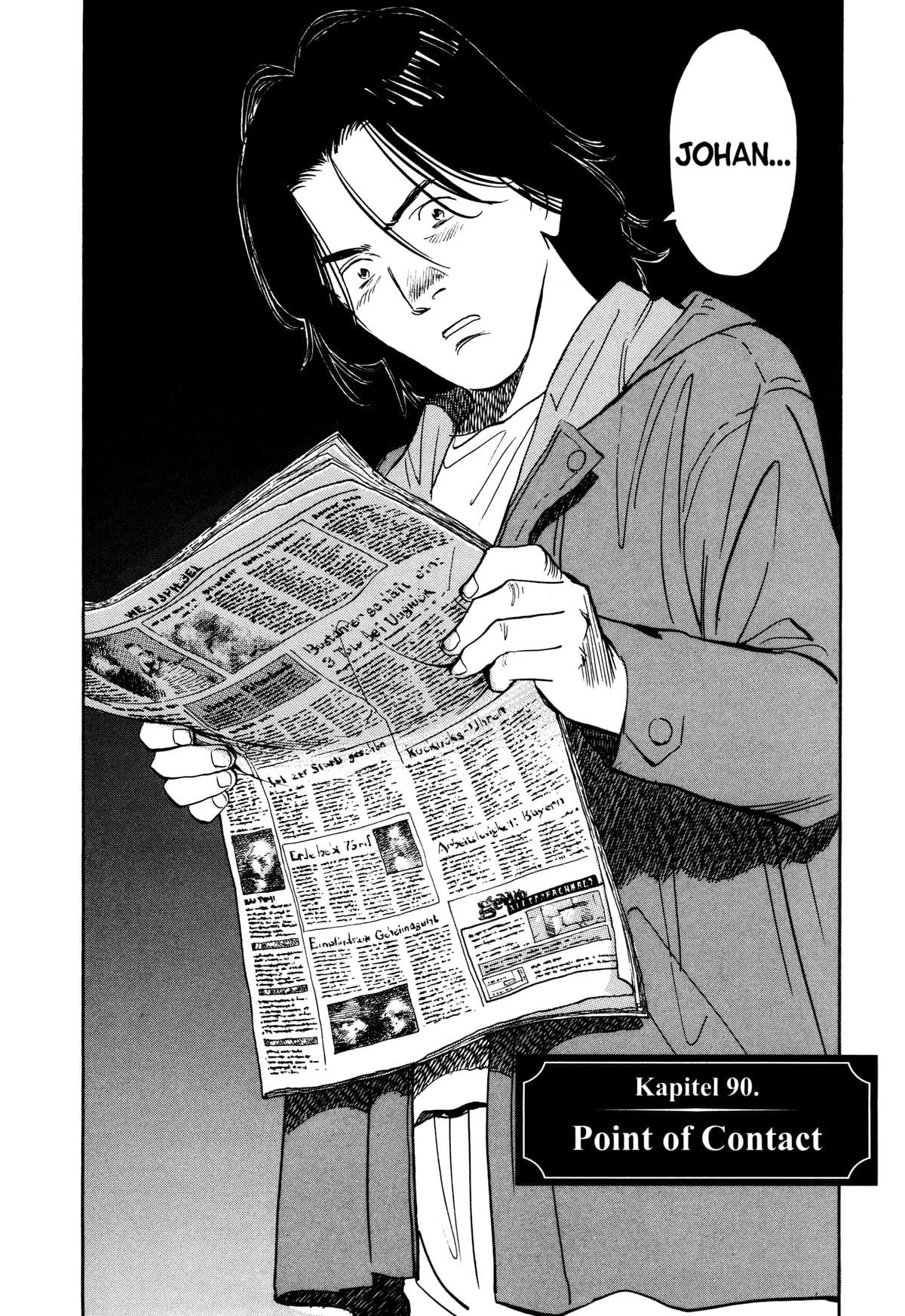
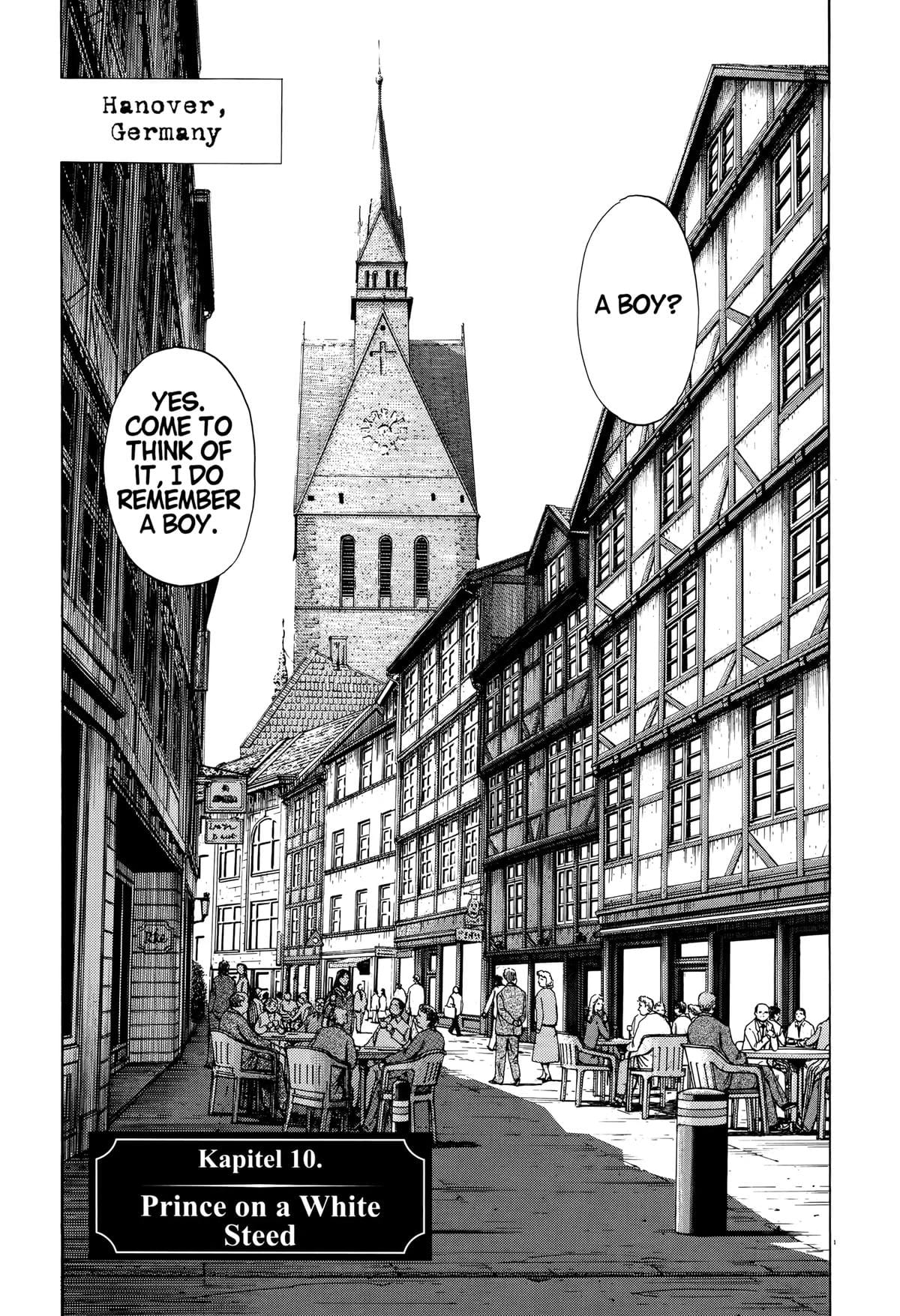
Published between 1994 and 2001, Monster arrived at a moment when Japan was still absorbing the aftershocks of its own economic and social recalibrations, while Europe was learning to live with the ghosts of two totalitarian systems. Urasawa places his story deliberately in the interstice between those histories. The former East German children’s home, the lingering scars of wartime medical experiments, the opportunistic crime that flourished in the vacuum of reunification—all of these form a backdrop against which personal ethics are tested. Yet the manga never collapses into allegory. Its power lies in the intimate scale: a doctor’s stubborn insistence that one life matters, even when the evidence suggests otherwise; a sister’s refusal to let the past define her; a detective’s gradual recognition that justice and truth are not always the same. In an age of rapid, disposable narratives, Monster remains almost stubbornly patient, trusting that the reader will stay long enough for the quieter revelations to surface.
Two decades after its final chapter, the questions Monster poses have only grown more insistent. In a world that continues to manufacture both monsters and the conditions that sustain them, Urasawa’s masterpiece still asks, with characteristic restraint, whether the capacity for goodness is any more mysterious—or any more fragile—than the capacity for its opposite.