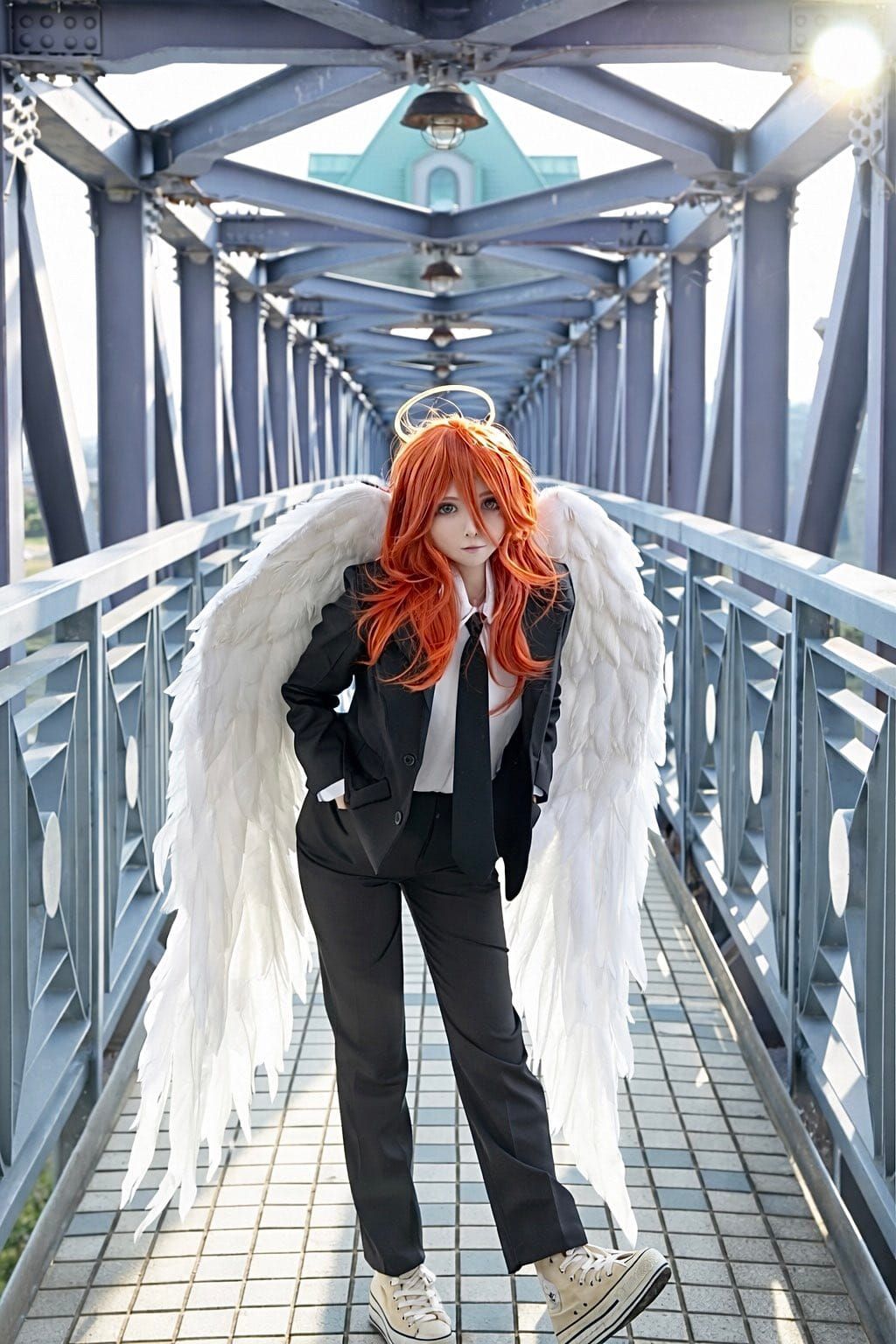
Recently, Chainsaw Man, an excellent manga, came to a rather rushed conclusion. This example perfectly illustrates our article on the problem with manga endings, so we have decided to discuss it with you and hope you will join the conversation on social media.
Lack of Long-Term Planning
Most mangaka enter serialization with only a vague concept of the ending, focusing instead on creating engaging arcs to maintain weekly reader interest.
In Chainsaw Man case : Using up all the story material in the first arc and not have solid material to come up with for the second.
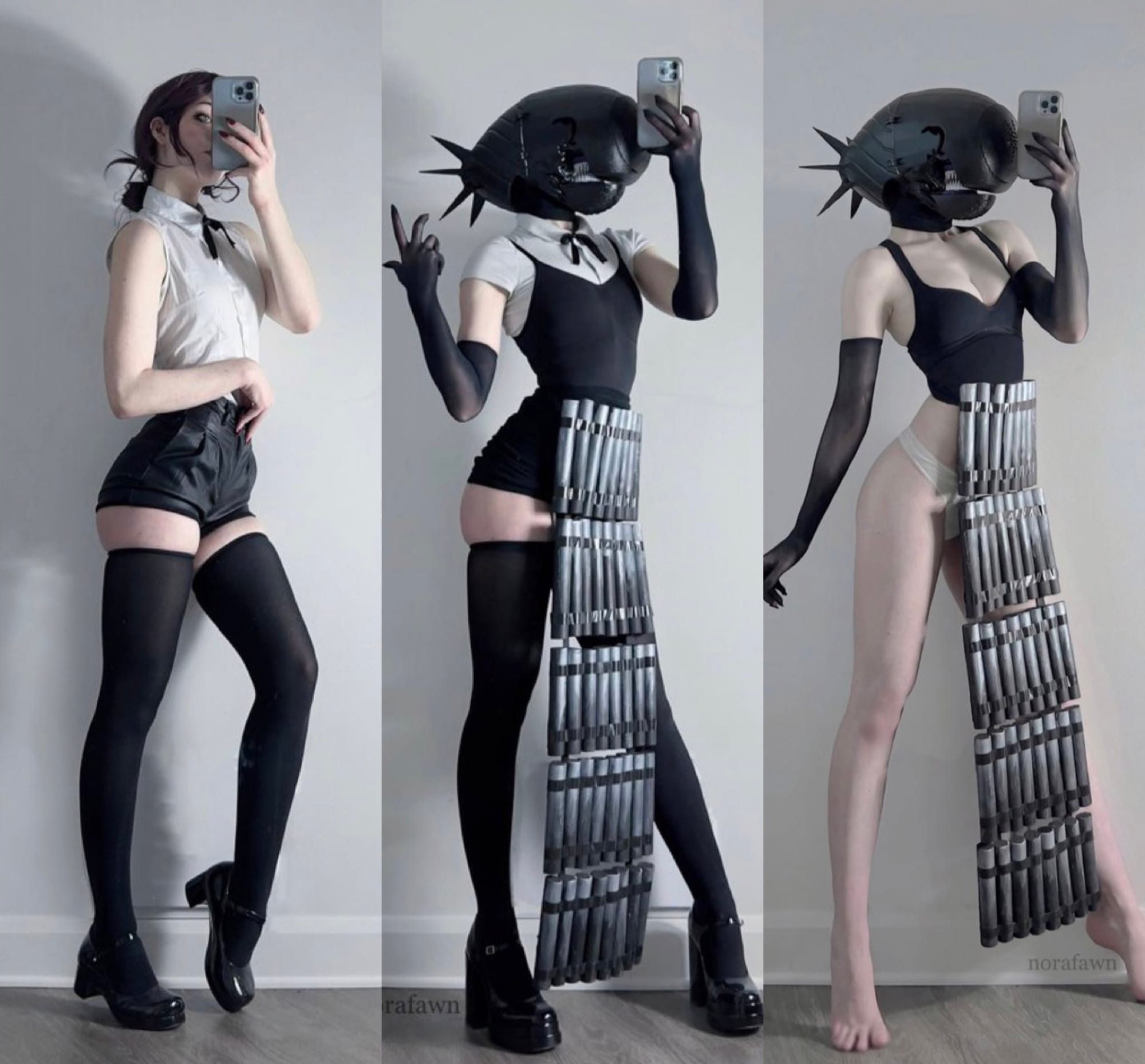
The first arc of Chainsaw Man is so packed with content that it feels like we’ve seen several arcs rolled into one. It is a mess, certainly, but an instructive one for writers looking to improve. This arc could easily have ended with Reze. Reze is undoubtedly the best character created by the author of Chainsaw Man. The love story between her and Denji ticks all the boxes of dark romance: it is tender, multifaceted, caring, and then ultra-violent.
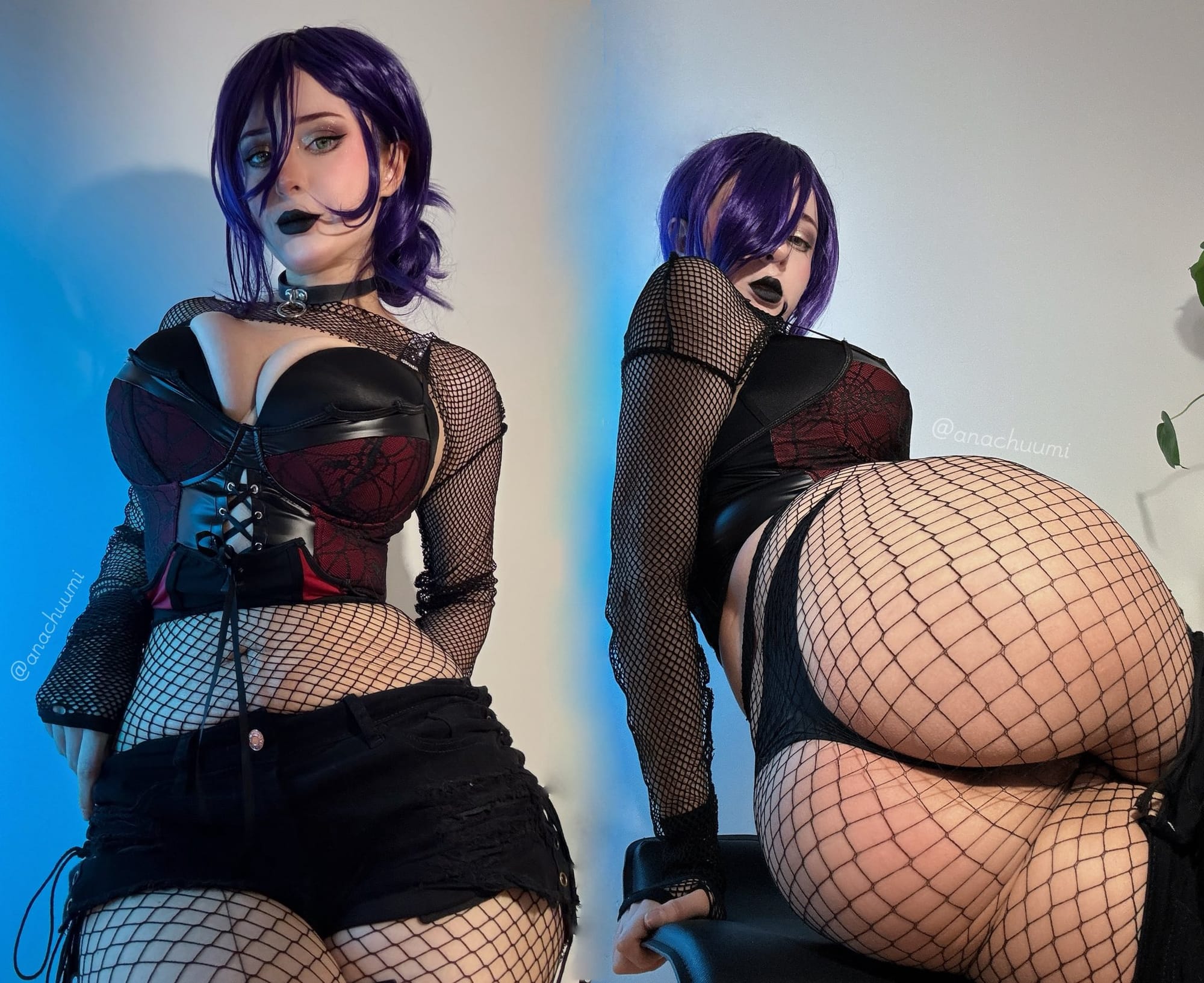
She is such a captivating character that she could easily have been the central figure of the film. She could very well have been the final antagonist of Arc 1. Then, Makima as the final antagonist of Arc 2, and the Gun Devil as the manga’s final boss. Certain characters from the current Arc 2 could have punctuated our Arcs 2 and 3.
Cosplay Popularity
On TikTok, the hashtag #reze has over 1.1 billion views, with countless videos dedicated to her cosplay, dances like "Iris Out," and costume tutorials.
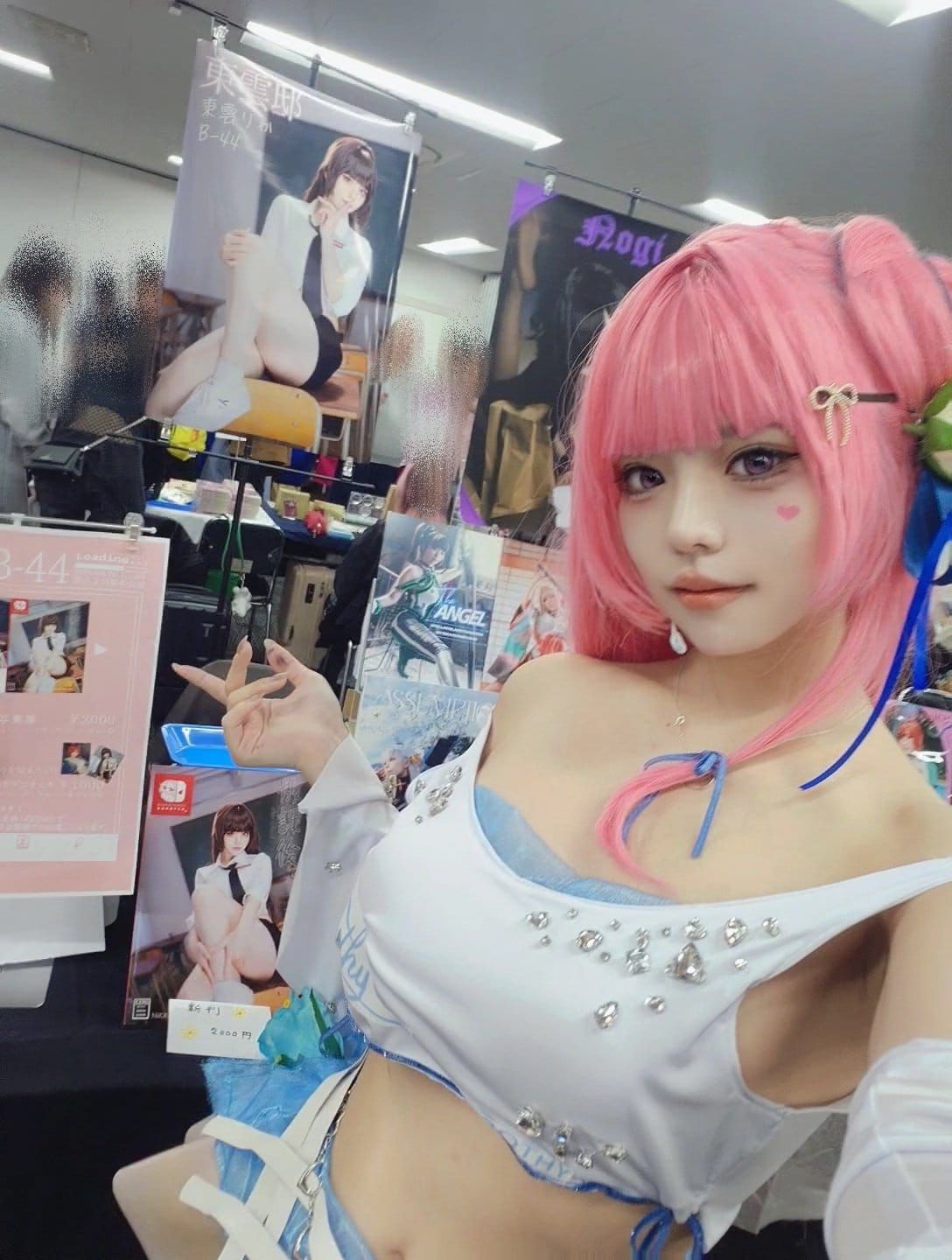
Reze cosplays frequently appear at major conventions like Anime Expo and ROMICS, with dedicated posts on platforms like Reddit and Instagram.
Her distinct look—especially the pink hair and bomb-themed devil form—makes her a popular and recognizable choice, further fueled by the Chainsaw Man movie.
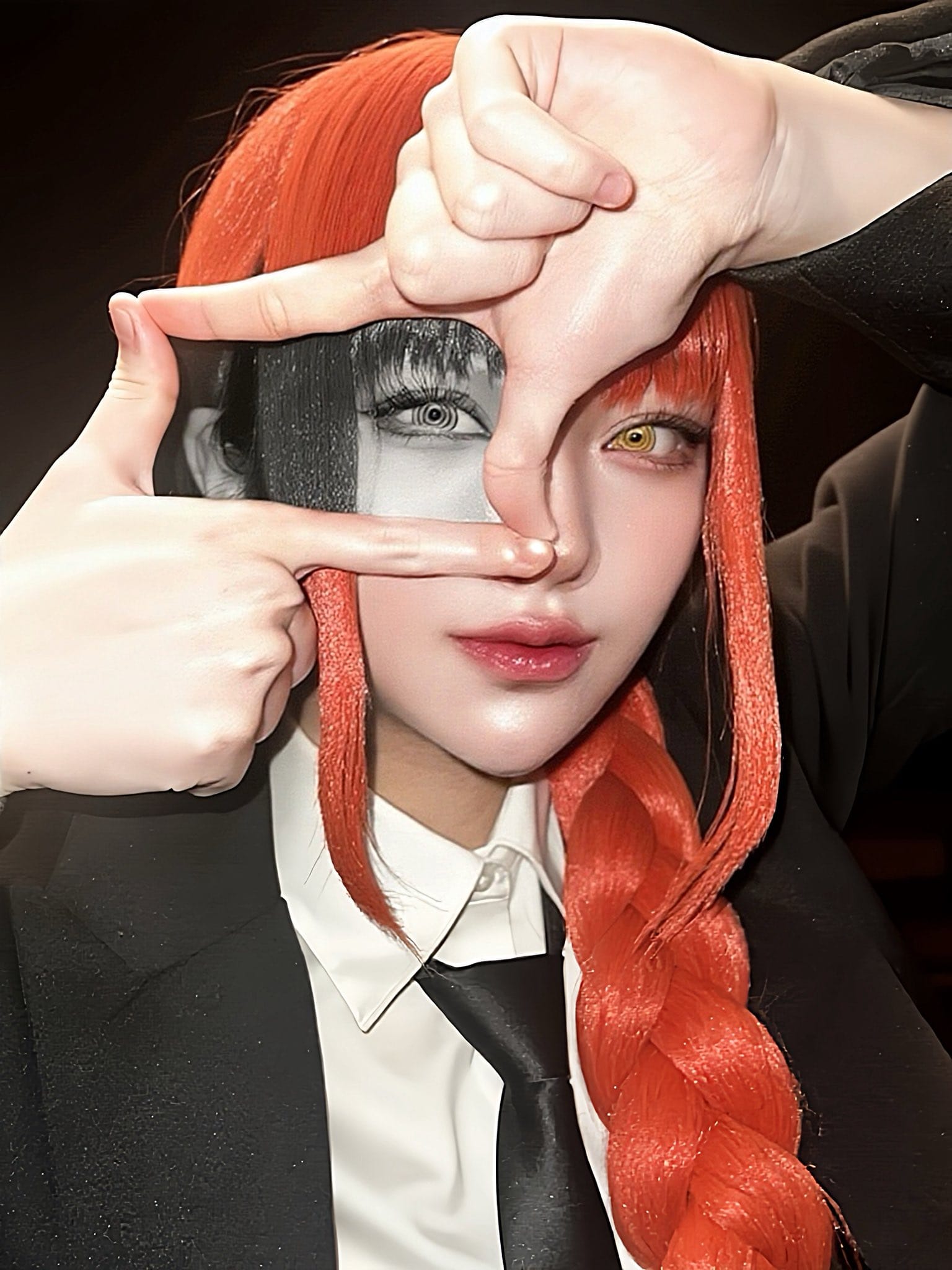
Although many purists may disagree with us, Oye! Oye! Oye! Magazine has been studying and understanding the cosplay market for years. One of the best ways to gauge the popularity of an anime, manga, video game or Netflix series is to count the number of cosplayers who have portrayed a particular character and to assess the popularity of their posts on social media. Most of the Chainsaw Man characters favoured by cosplayers are all from the first arc of Chainsaw Man: Power, Reze, Makima, Aki Hayakawa, and Kobeni Higashiyama. The only character who returns in Arc 2 is Denji, but as he is the main character, this is to be expected, even though we have seen main characters feature less prominently in seasons following the first, such as Son Goku or Luffy.

Exact numbers for how many people have cosplayed Chainsaw Man characters globally are not tracked. However, the franchise's cosplay popularity is exceptionally high, especially for Denji, Power, and Makima.
Based on social media metrics:
- On TikTok, the hashtag
#chainsawmanhas amassed over 2.3 billion views, with countless videos dedicated to cosplay, dances, and prop showcases. - A 2023 analysis noted that Chainsaw Man generated 18% more organic engagement per post than Jujutsu Kaisen on Instagram and X, with cosplay being a major driver.
- At Anime Expo 2023, cosplayers of Power and Denji outnumbered those of Jujutsu Kaisen's Gojo and Yuji by a narrow margin, and the series accounted for 38% of all fan art submissions.
These figures highlight the massive and active cosplay community surrounding the series, even if a precise headcount is unavailable.
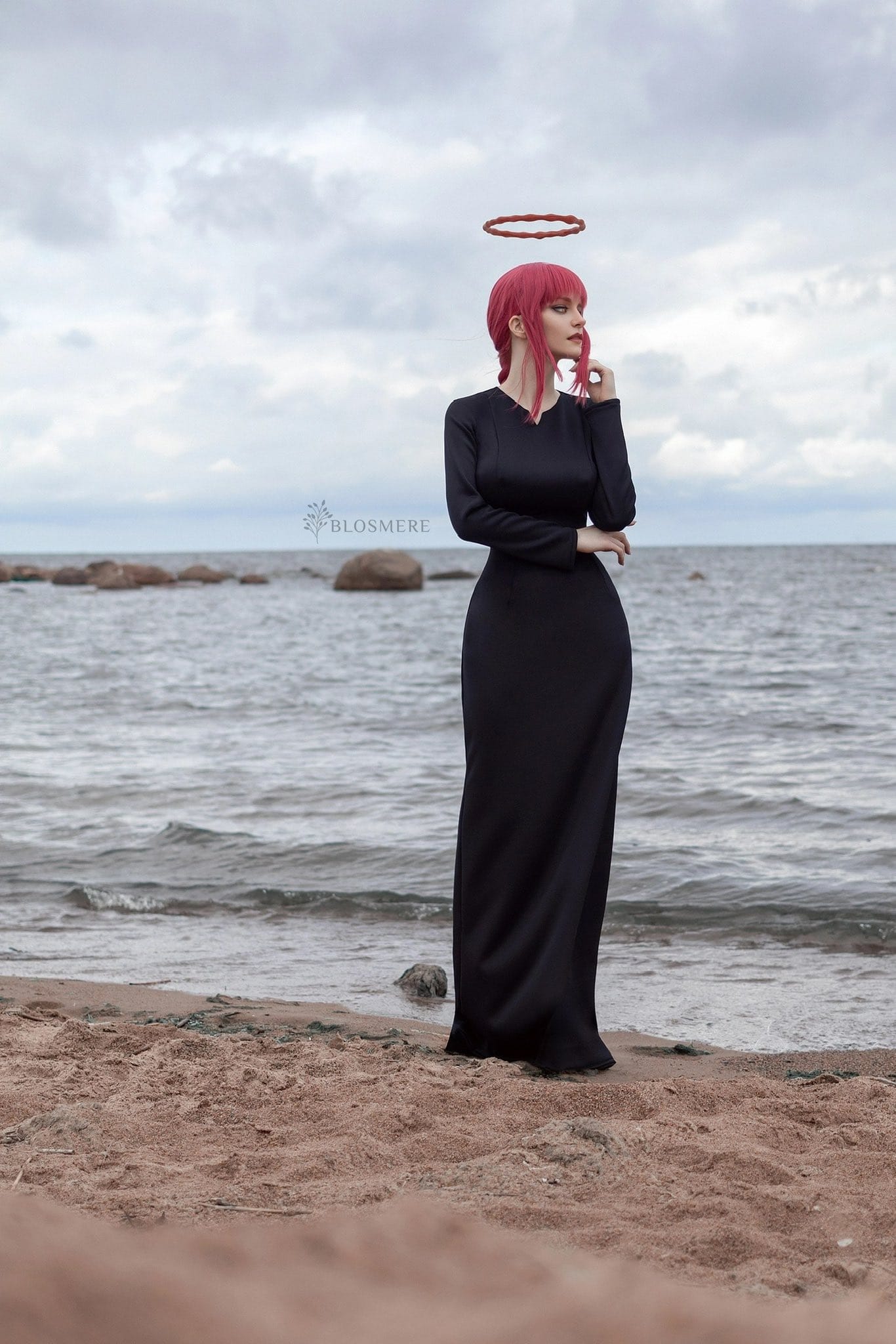
Cosplay Popularity Comparison Between Chainsaw Man Arcs
While exact cosplay frequency statistics (e.g., total counts or percentages) comparing characters from the last arc to Part 1 are not available, popularity polls and cultural trends provide strong indicators:
Part 1 characters remain the most cosplayed. Characters like Power, Makima, Denji, Kobeni and Aki consistently dominate cosplay scenes at conventions and online platforms.
Power and Makima, in particular, have iconic, visually striking designs that are highly popular for cosplay.
A 2024 Reddit post and a 2023 cosplay guide confirm that Power, Makima, Denji, and even supporting characters like Kobeni are frequently seen at cons.
Last arc characters (Asa, Yoru) are less cosplayed than the top Part 1 characters.
The release of the Chainsaw Man: Reze Arc movie in 2025 significantly boosted already popular cosplay for Reze and Angel Devil, showing that new arcs can drive cosplay trends.
However, Asa and Yoru have not yet reached the same level of cosplay ubiquity as Power or Makima. A 2024 convention report noted "surprising amounts of Kobenis" (Show your Kobeni trend) and "full Chainsaw Men," but no mention of Asa or Yoru.
Popularity polls reflect this trend:
In a major fan poll, Reze ranked #1, Makima #2, Aki #3, and Denji #4, while Asa Mitaka ranked #10 and Yoru #16, indicating lower current popularity.
In summary, last arc's characters will never become as prominent as Part 1 characters, especially Power and Makima, cosplayed far more frequently based on community presence and popularity metrics.